
Sewer line repair in Glendale, AZ
When sewer line repair in Glendale AZ is needed, the first sign is often a backup that will not clear, several drains slowing at once, or a sewage smell that keeps coming back. This page explains what to do right now, what those signs can mean in Glendale, and how calling works. Sewer Line Repair is a referral service: when you call, you are connected with an independent local provider, and you confirm licensing, insurance, and pricing directly with that provider before work begins.
Working hours: 24/7
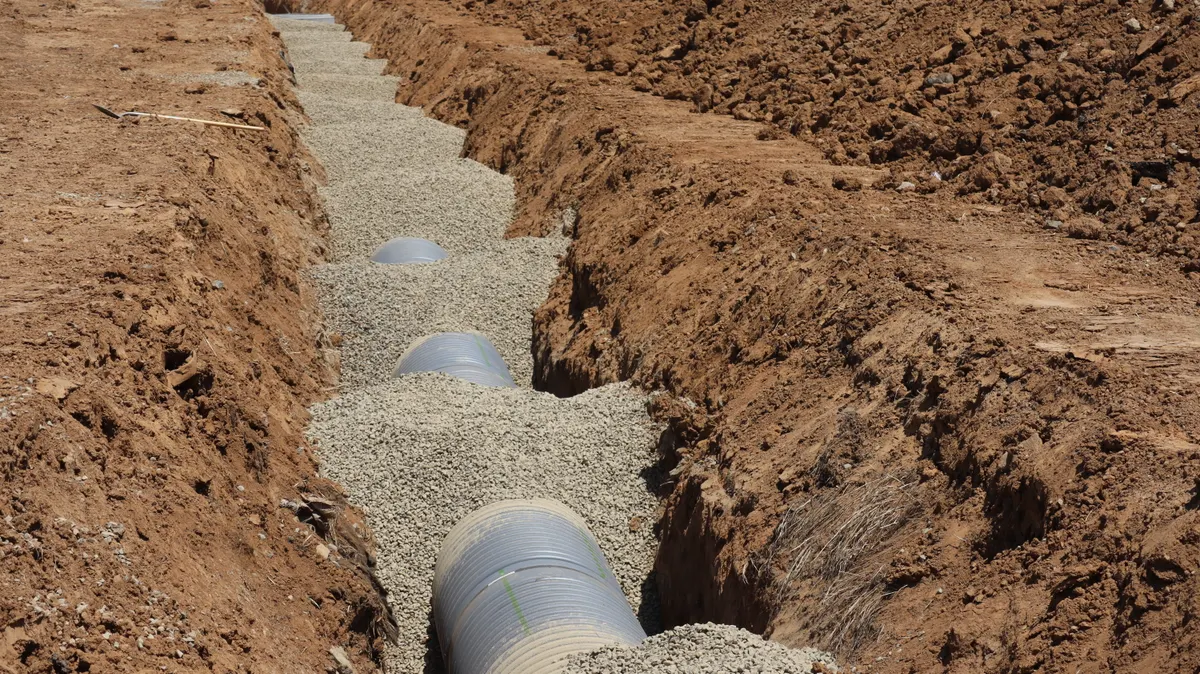
What to do right now
If sewage is backing up in Glendale, limit water use right away: do not run the washing machine or dishwasher, and keep showers, baths, and toilet flushing to a minimum until the problem is understood. Avoid contact with sewage, and keep children and pets away from any affected area. Do not open or enter a sewer or septic system, and do not try to clear a main sewer line yourself. Note which fixtures are affected, when the trouble started, and whether it followed heavy rain, and have that information ready when you call (607) 376-4949. Working hours: 24/7.
Symptoms and likely causes in Glendale
| What you notice | Likely cause to discuss with the provider |
|---|---|
| Sewage backing up from a low drain or toilet | A blockage or restriction in the main line serving the home |
| Several drains slowing at the same time | A shared line problem rather than a single fixture trap |
| Gurgling toilets or drains when water runs elsewhere | Air movement caused by a partial restriction in the line |
| A sewage smell indoors or near a drain | A dry trap, a vent issue, or a leak or break in a line |
| A soggy or sunken patch in the yard | A leaking section of line, or ground settling around it |
| Trouble that returns after a drain clears briefly | Roots, a damaged section, or a recurring restriction that needs inspection |
These pairings are starting points for the conversation, not a diagnosis. Only an inspection of the line itself can show what is actually happening underground.
Local sewer factors in Glendale, Arizona
Glendale sits in Maricopa County in the West Valley of the Phoenix area, on desert valley ground that was developed around the Arizona Canal. The city grew from desert land watered by canal irrigation, and that history still shapes its neighborhoods: a historic downtown core, post-war and mid-century homes, and newer development around the Arrowhead area in the north. Each of those eras can mean different pipe materials, different line ages, and different layouts, so the age of the home is one of the most useful facts to share when you call.
Desert ground in Glendale is dry for long stretches, then wet in bursts. Dry, hard ground does not always stay still: it can shift with heat, with irrigation, and with sudden monsoon rain. The New River and the Agua Fria River flow southward through the western extremities of the city, and low-lying ground near washes and canals can stay damp longer after a storm. A line that copes well in dry weather may show its weakness when the ground is saturated, which is why some Glendale problems first appear during or just after heavy rain.
Trees matter in a desert city because roots seek water. Shade trees, palms, and landscaping planted near a home can send roots toward the moisture in and around a sewer line, and older lines with joints or small cracks are the most vulnerable. Irrigation adds to the picture: regular watering keeps soil near the home moist, and a leaking irrigation line or a constantly wet patch can mask, or be mistaken for, a sewer leak. When you describe the problem, mention large trees near the line route, recent landscaping changes, and any area of the yard that stays wet.
Heat is a further Glendale factor. Long, hot summers dry the ground, and repeated drying and wetting can move shallow ground over time. Older homes in downtown Glendale and the surrounding historic neighborhoods may still have their original lines, while Arrowhead-area homes are generally newer but are not exempt from trouble: construction debris, shifting ground, and root growth can affect lines of any age. The provider you are connected with can explain what an inspection would need to look for in your particular home and yard.
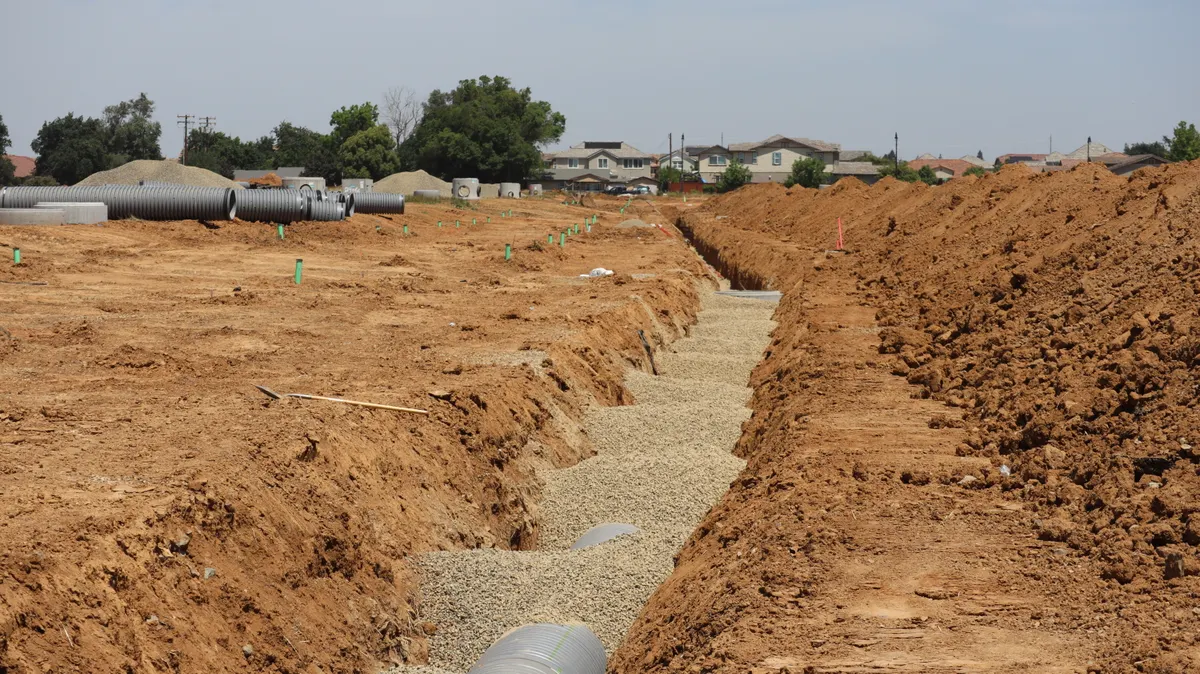
Sewer line repair in Glendale, in detail
Repair begins with understanding the problem. The provider you are connected with will ask about the symptoms, the fixtures affected, and the age and layout of the home, and may recommend a camera inspection to see inside the line. That inspection helps distinguish a simple blockage from a cracked, collapsed, or root-invaded section, and it is the basis for deciding which repair approach fits. Trenchless methods are sometimes suitable, but suitability depends on the inspection findings, the condition and material of the existing line, and access: it is never promised in advance, and a line that is badly collapsed or badly misaligned may need a different approach.
Emergency help in Glendale is about getting connected quickly, not about a promised arrival time. When you call (607) 376-4949, explain whether sewage is actively backing up, whether water use has been limited, and whether the problem affects the whole home or one area. That detail helps the provider judge urgency. Working hours are 24/7, so a call at night or on a weekend is handled the same way as a weekday call. Before any work begins, confirm the scope, the pricing, and the licensing and insurance position directly with the provider, and ask what the inspection is expected to show before a repair method is chosen.
Signs of a sewer line problem in Glendale, in detail
A backup is the clearest sign and the most urgent: sewage coming up through a floor drain, shower, or toilet means water use should be limited at once and a call made. Slow drainage across the home is the next most telling pattern. A single slow sink may be local, but when toilets, tubs, and sinks all drain slowly, the shared line is the more likely source, and that pattern is worth describing precisely. Gurgling is easy to dismiss, yet it often appears before a backup: air trapped by a restriction escapes through water in traps, producing the bubbling sound when another fixture drains.
Smells deserve the same attention. A sewage odor that appears near a drain, in a bathroom, or in the yard can point to a dry trap, a venting issue, or a leak, and the location and timing of the smell help the provider narrow it down. Outside, watch for a patch of lawn that stays green and lush while the rest dries out, a soggy area that never quite dries, or ground that has sunk slightly along a line route. In Glendale, where irrigation already keeps some areas green, a patch that is greener than its surroundings, or wet when irrigation has not run, is worth mentioning. Recurring trouble is a sign in its own right: a drain that slows every few weeks, or a backup that returns after clearing, usually means the underlying restriction has not been removed.
What a camera inspection actually covers
A camera inspection sends a small camera through the sewer line so the inside of the line can be viewed. It can show blockages, root intrusion, cracks, offsets where sections have shifted, and areas where the line sags or holds water. It can also show the material and general condition of the line, and where the problem sits along its length. What it cannot do on its own is fix the line: the inspection is the evidence the provider uses to recommend a repair, and to explain why one method fits and another does not. Sewer Line Repair itself does not inspect or repair lines; it connects callers with independent local providers, and the provider carries out any inspection or repair. Ask the provider what the camera found, whether you can see the footage or a summary, and what it means for the repair options.
Service area: Glendale, Arizona
This page serves Glendale in Maricopa County, Arizona, including downtown Glendale, the historic neighborhoods around it, and the Arrowhead area. Glendale ZIP codes are 85301 through 85312 and 85318. Nearby cities include Phoenix, which borders Glendale to the east and south, and Peoria to the north, along with the wider West Valley communities around Glendale. When you call, give your Glendale ZIP code and the nearest cross streets if you can, so the provider can place your home in relation to the canal, river, and neighborhood ground conditions described above.
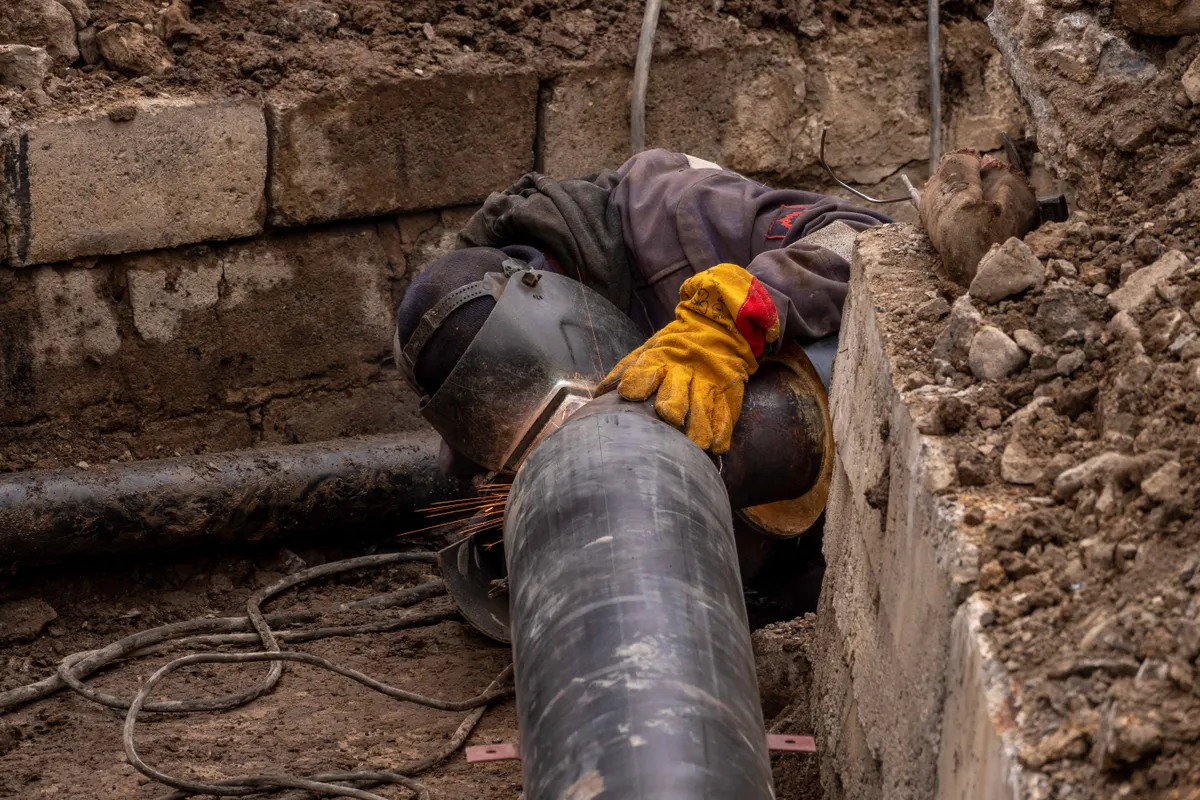
What to have ready when you call
Have your Glendale address area and ZIP code ready, along with a short description of the problem: which fixtures are affected, when it started, whether sewage is backing up, and whether the trouble followed rain or irrigation. Note the age of the home if you know it, whether previous sewer work has been done, and where large trees or irrigation lines sit in relation to the home. If you know where the main cleanout is, say so, but do not open a sewer or septic system to find out. Also have a note of any questions about licensing, insurance, and pricing ready, so you can ask them before work begins.
How calling works
- Call – call (607) 376-4949. Working hours: 24/7.
- Tell us your city and problem – say Glendale and your ZIP code, and describe what you are seeing.
- Get connected – we connect you with an independent local provider.
- Confirm before work begins – confirm licensing, insurance, and pricing directly with the provider.
Questions to ask the provider
- Are you licensed and insured for this work, and can you confirm that before work begins?
- What will the inspection cover, and will you explain what the camera shows?
- What repair options fit what the inspection found, and why?
- Is a trenchless method suitable for this line, and what would make it unsuitable?
- What is the total pricing, and what does it include?
- What should we do about water use while we wait?
Frequently asked questions about sewer line repair in Glendale, AZ
Why do Glendale sewer problems sometimes appear after monsoon rain?
Heavy rain can saturate dry desert ground quickly, and a line that was already restricted by roots or a damaged section may back up once the ground is wet and drainage is under strain. Rain can also expose a line that was coping in dry weather. If trouble follows a storm, mention the timing when you call, since it helps the provider judge what the inspection should look for.
Do older homes in downtown Glendale have different sewer risks than newer Arrowhead homes?
Older homes may still have original lines that have had decades of ground movement, root growth, and wear, while newer Arrowhead-area homes are generally newer but can still be affected by shifting ground, construction debris, or roots. Age is a useful clue, not a verdict: an inspection shows the actual condition of the line in either case.
Can tree roots cause a Glendale sewer line problem even in a dry climate?
Yes. In a desert city, roots seek moisture, and the ground around a sewer line can be one of the wettest places in a yard. Roots can enter through joints or small cracks and then grow into a restriction. Mention large trees near the home and any previous root trouble when you call.
Will a trenchless repair work for my Glendale sewer line?
That depends on the inspection. Trenchless methods suit some lines and not others, depending on the line’s condition, material, alignment, and access. The provider can explain, after inspection, whether a trenchless approach fits your line or whether another method is needed. No method is promised before the line has been seen.
Call (607) 376-4949. Working hours: 24/7. For sewer line repair in Glendale AZ, say Glendale and your ZIP code, describe the problem, and confirm licensing, insurance, and pricing with the provider before work begins. You can also visit Services, Arizona, Browse by state, or Home.
Sewer Line Repair is a referral service, not a plumbing provider. Callers are connected with independent local providers. We do not guarantee their work or prices. Confirm licensing, insurance, and pricing directly with the provider before work begins.
Contact: hello@sewerlinerepair.online