
Sewer line repair in Arkansas
When sewer line repair in Arkansas is needed, the first sign is often a backup that will not clear, several drains slowing at once, or a sewage smell that keeps coming back. This page explains what to do right now, what those signs can mean in Arkansas, and how calling works. Sewer Line Repair is a referral service: when you call, you are connected with an independent local provider, and you confirm licensing, insurance, and pricing directly with that provider before work begins.
Working hours: 24/7
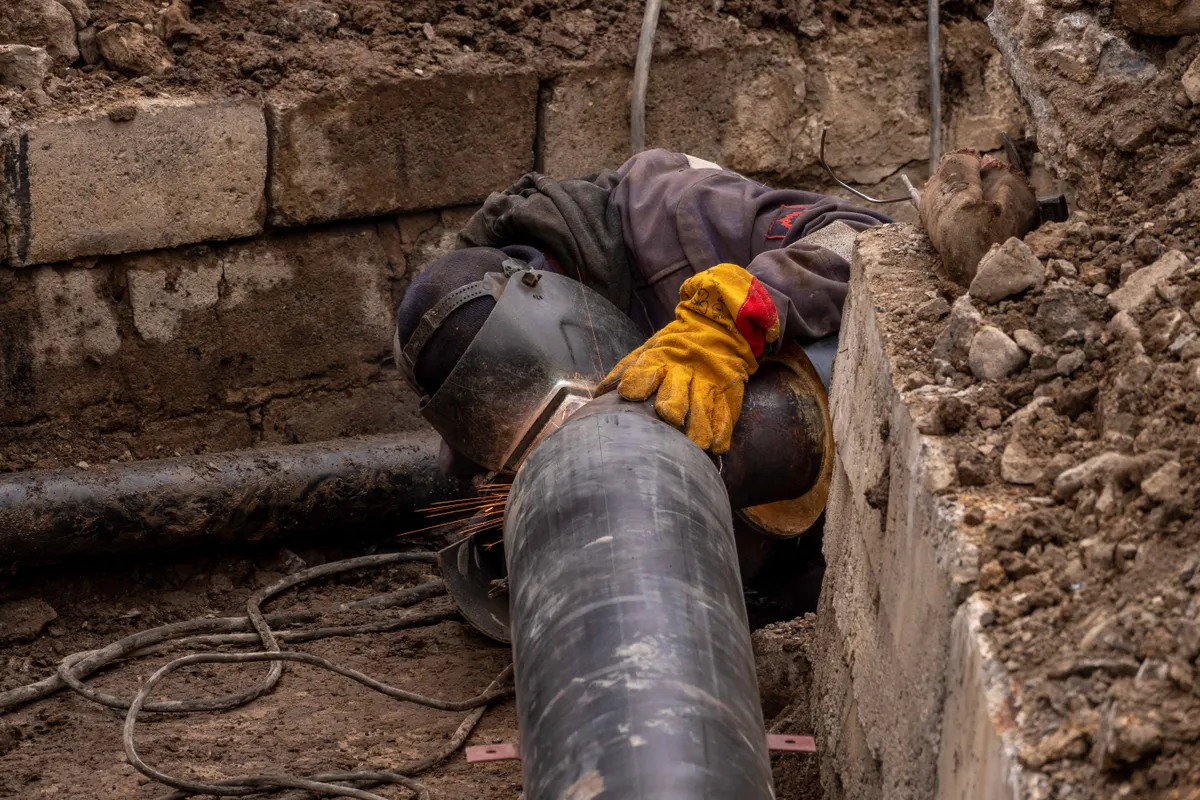
Cities in Arkansas
How calling works
- Call – call (607) 376-4949. Working hours: 24/7.
- Tell us your city and problem – say your Arkansas city and ZIP code, and describe what you are seeing.
- Get connected – we connect you with an independent local provider.
- Confirm before work begins – confirm licensing, insurance, and pricing directly with the provider.
Arkansas cities in detail
Sewer line repair in Little Rock, Arkansas
Little Rock is the capital of Arkansas and the seat of Pulaski County, sitting on the south bank of the Arkansas River where the Ouachita Mountains begin to rise to the west. The city grew from a river settlement into a spread-out metropolitan center, and that history shows in its sewer lines: older homes near downtown and in neighborhoods such as Hillcrest and Quapaw Quarter often have older piping, while newer subdivisions on the west side of the city were built with more recent materials and layouts. A provider who knows Little Rock will ask where the home sits and how old it is, because those two facts shape what an inspection is likely to find.
Ground in Little Rock is shaped by its river and foothill position. Soils across much of the city include clays that expand when wet and shrink when dry, and that movement can stress joints and older sections of line over time. The city also sits in a humid subtropical climate, with hot summers and frequent heavy rain, so lines can be tested by sudden inflows of water and by saturated ground after storms. Low-lying ground near the river and its tributaries can hold water longer, which is one reason a problem that appears after a storm may point to a line issue rather than a single fixture.
Trees matter in Little Rock because mature oaks, pines, and other large yard and street trees are common, and their roots seek moisture in dry spells, especially where irrigation or a small leak keeps soil damp near a line. When a Little Rock caller reports repeated backups, gurgling, or a soggy patch in the yard, the provider will usually want a camera inspection before recommending a repair, so the work is based on what the line actually looks like inside rather than on a guess from the surface. Trenchless methods are sometimes discussed for Little Rock lines, but suitability depends on inspection.
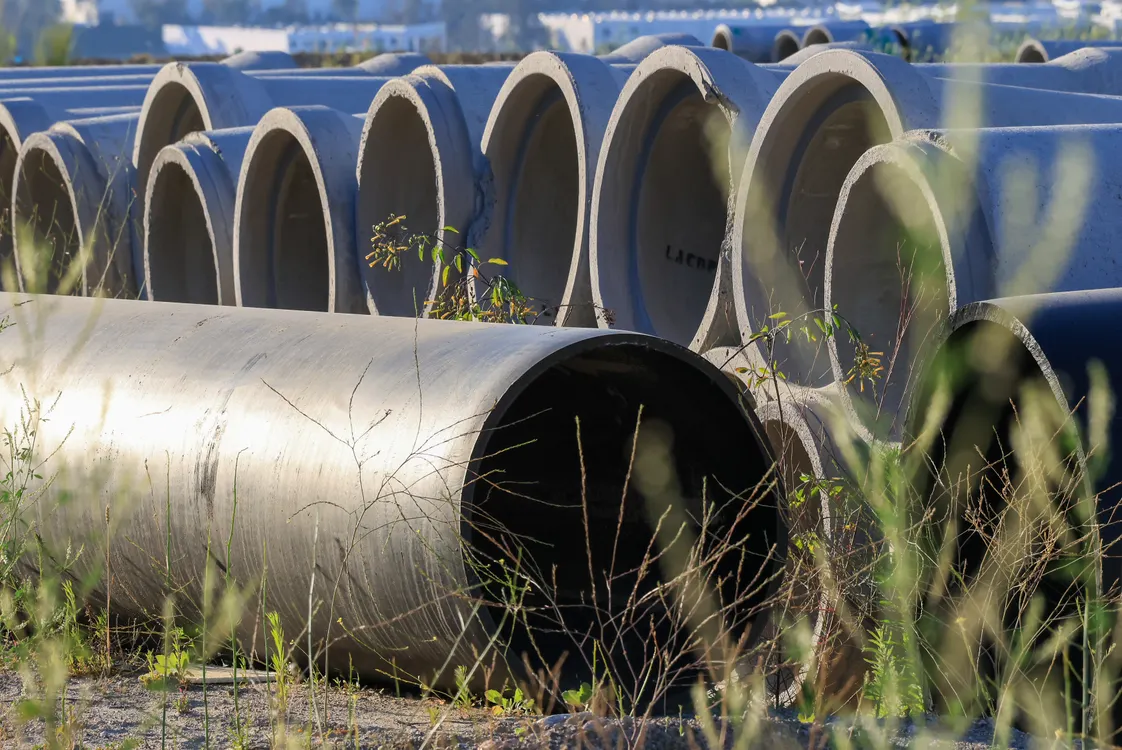
Sewer factors across Arkansas
Arkansas covers very different ground, and sewer lines face different pressures depending on where they sit. The eastern part of the state is the flat Mississippi Delta, where low-lying alluvial ground and a high water table mean lines can sit in wet soil for long periods, and heavy rain can saturate the ground quickly. In the west and north, the Ouachita and Ozark highlands bring rockier ground, steeper slopes, and older towns where lines may follow long, winding routes from house to street. A statewide picture therefore has to be read locally: the same symptom can have a different most likely cause in a Delta town than in a mountain town.
Climate is a statewide factor. Arkansas is humid, with hot summers, mild winters, and rainfall spread across the year, including intense thunderstorms and occasional tropical moisture moving up from the Gulf. That pattern matters for sewer lines because repeated wetting and drying moves clay soils, because storm water can find its way into damaged lines, and because long dry spells send tree roots searching for water. Homes with mature trees, homes on older lots, and homes near creeks or rivers all deserve a closer look when trouble first appears, rather than waiting for a backup to become an emergency.
Age of housing is the third statewide factor. Arkansas towns include nineteenth-century river and railroad settlements, mid-twentieth-century suburbs, and newer subdivisions built around the state’s growing cities. Older piping materials, including clay and cast iron in the oldest homes, age differently from modern plastic lines, and joints, roots, and ground movement affect them in different ways. That is why a camera inspection is the central step everywhere in Arkansas: it shows the material, the condition, and the exact location of a problem, and it lets the provider explain options that fit what was found, including whether a trenchless method is suitable for that particular line.
Signs of a sewer line problem in Arkansas, in detail
A backup is the clearest sign and the most urgent: sewage coming up through a floor drain, shower, or toilet, especially a low fixture, usually means the main line serving the home is blocked or restricted. When several drains slow at the same time, or when a toilet gurgles while water runs elsewhere in the house, the problem is more likely in a shared line than in a single trap, and it deserves prompt attention. A sewage smell indoors or near a drain should not be ignored either; it can come from a dry trap, a vent issue, or a leak or break in a line, and only an inspection can separate those causes.
Outside signs matter too. A soggy or sunken patch in the yard, a strip of grass that stays greener than the rest, or trouble that returns after a drain clears briefly can all point to a leaking or damaged section of line, or to roots that keep growing back into the same place. In Arkansas, where clay soils move with moisture and where heavy rain is common, these signs sometimes appear after a storm or after a dry spell ends, and they are easy to dismiss as ordinary wet ground. If the pattern repeats, or if it appears alongside indoor symptoms, call and describe both the indoor and outdoor signs together, so the provider gets the full picture before the inspection.
What a camera inspection covers in Arkansas
A camera inspection sends a small camera through the sewer line so the inside of the line can be viewed from the house to the street connection. The provider can see roots, cracks, offsets, bellies where water pools, and sections where the line has collapsed or separated, and can usually say where each problem sits along the line. That information turns a vague complaint into a specific finding: which section is damaged, how long it is, and what repair options fit it. It also helps separate a single-home line problem from a wider neighborhood or municipal issue, which matters when neighbors report similar trouble.
For Arkansas callers, the inspection is also the step that decides whether a trenchless repair is possible. Trenchless methods are sometimes discussed, but suitability depends on inspection, on the line material, on the extent of the damage, and on access at both ends of the section. A line that is fully collapsed, badly offset, or too shallow in places may need a different approach, and the provider should explain why in plain language. Ask what the camera showed, what options fit what was found, and what the total pricing includes, and confirm licensing and insurance before any work begins.
What to have ready when you call from Arkansas
- Your Arkansas city, address area, and ZIP code.
- Which fixtures are affected, and in what order the problem appeared.
- Whether the problem changes when water is used elsewhere, or after heavy rain.
- Whether the trouble is new, recurring, or getting worse, and what has already been tried.
- Any recent digging, tree work, irrigation changes, or ground changes near the line route.
- Whether neighbors have similar trouble, which helps separate a single-home line problem from a wider issue.
Frequently asked questions about sewer line repair in Arkansas
Do you serve only Little Rock, or all of Arkansas?
This directory currently lists Little Rock. If you are calling from elsewhere in Arkansas, call (607) 376-4949, say your city and ZIP code, and describe the problem, and we will connect you with an independent local provider where one is available. Working hours: 24/7.
Why do Arkansas sewer problems sometimes appear after heavy rain?
Heavy rain saturates clay soils, raises ground water, and can send extra water into a damaged line, so a restriction that was barely noticeable in dry weather can show up as a backup or a slow drain after a storm. If the pattern repeats after rain, mention it when you call, because it helps the provider decide what the inspection should look for.
Do older Arkansas homes have different sewer risks than newer subdivisions?
Yes, in general. Older homes more often have older piping materials and joints that have had decades of ground movement, root growth, and wear, while newer subdivisions more often have modern materials but can still develop problems from roots, settling, or construction-related damage. An inspection is the way to tell which situation applies to a particular home.
Will a trenchless repair work for my Arkansas sewer line?
It depends on inspection. Trenchless methods are sometimes suitable, but they depend on the line material, the type and extent of the damage, and access at both ends of the section. Ask the provider what the camera showed and what would make a trenchless method suitable or unsuitable for your line.
Call (607) 376-4949. Working hours: 24/7. For sewer line repair in Arkansas, say your city and ZIP code, describe what you are seeing, and we will connect you with an independent local provider. You can also visit Services, Browse by state, or Home.
Sewer Line Repair is a referral service, not a plumbing provider. Callers are connected with independent local providers. Confirm licensing, insurance, and pricing directly with the provider before work begins.
Contact: hello@sewerlinerepair.online