
Main sewer line repair in Colorado Springs, CO
When the main sewer line in Colorado Springs is in trouble, the signs usually show up all over the home at once: several drains slowing together, a toilet that gurgles when water runs elsewhere, or sewage coming up through a floor drain, shower, or tub. The main line carries everything from the home to the street, so a problem there is the most disruptive kind of sewer trouble, and it is worth getting checked rather than waiting to see whether it clears on its own.
Sewer Line Repair is a referral service, not a plumbing provider. When you call, you are connected with an independent local provider, and you confirm licensing, insurance, and pricing directly with that provider before work begins.
Working hours: 24/7
What to do right now
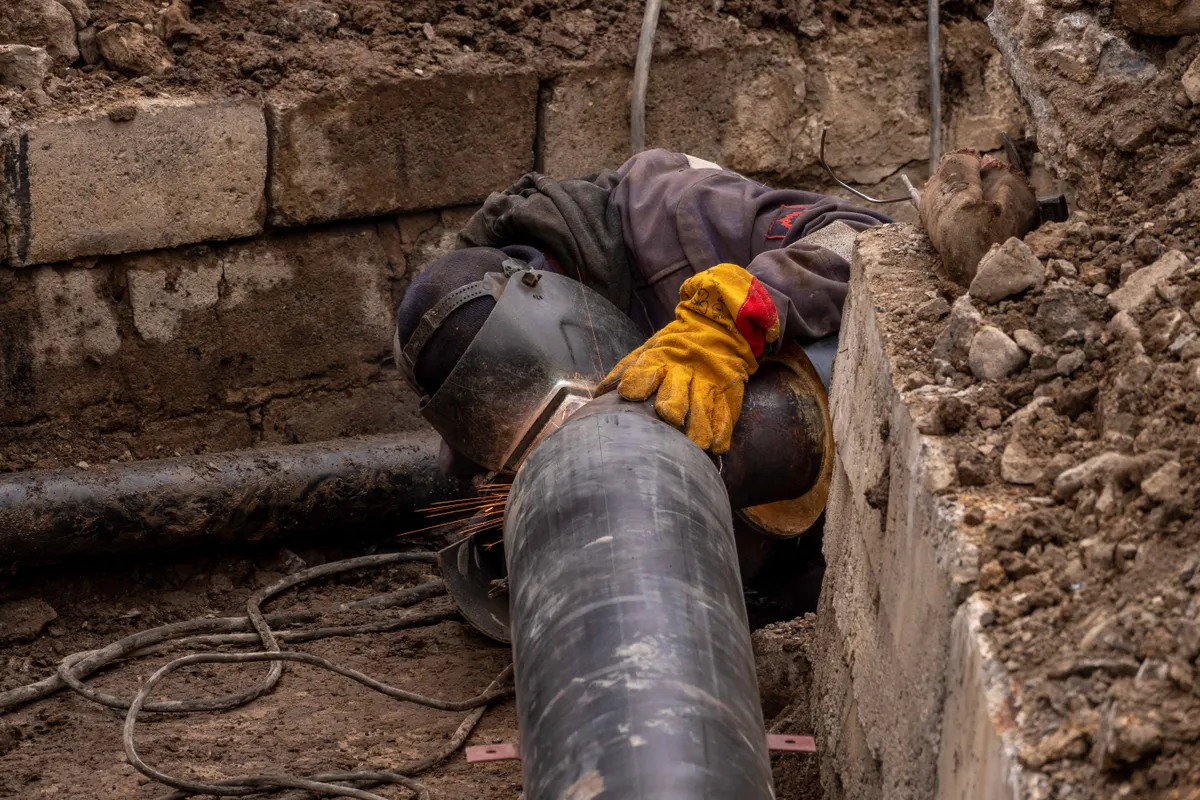
If several fixtures are backing up at the same time, limit water use in the home. Do not run the washing machine, dishwasher, showers, and toilets one after another while the main line is struggling, because every gallon sent down a drain has to pass through that same line. Note which fixtures are affected and in what order the problem appeared: a floor drain backing up first, then a shower, then a toilet, tells the provider more than a general report that the drains are slow.
Next, notice whether the trouble changes when water is used elsewhere in the home, or after heavy rain, a thunderstorm, or snowmelt. Main line problems often get worse when the ground is saturated or when a lot of water enters the system at once. If sewage is coming up into the home, keep people and pets away from the affected area, avoid using the fixtures that are backing up, and call rather than trying to clear the line yourself.
When you call, say that you are in Colorado Springs, describe what you are seeing, and mention how many fixtures are involved. A problem that affects the whole home points to the main line rather than a single drain, and the provider will want to know that from the start. Emergency help means getting connected quickly; no arrival time is promised here, and the provider confirms scheduling directly with you.
Symptoms and likely causes in Colorado Springs
| What you notice | Likely cause to discuss with the provider |
|---|---|
| Several drains slowing or backing up at once | A restriction or break in the main line, rather than a single-fixture clog |
| Sewage coming up through a floor drain, shower, or tub | A main line blockage forcing waste water back into the lowest fixtures |
| Toilets gurgling when water runs elsewhere | Air trapped by a partial main line blockage |
| A persistent sewage smell, indoors or in the yard | A leak or break in the main line, or a failed joint |
| A soggy or sunken patch in the yard, or a strip of grass that stays green | Waste water escaping from a damaged section of the main line |
| Problems that return after heavy rain, a thunderstorm, or snowmelt | Ground movement or extra water reaching a weakened main line |
This table is a guide for discussion, not a diagnosis. Only an inspection of the line itself can show what is actually happening underground.
Local sewer factors in Colorado Springs, Colorado
Colorado Springs is the second-largest city in Colorado, in El Paso County, at the eastern foot of the Rocky Mountains, with Pikes Peak rising to the west of the city. Older neighborhoods near downtown and the original town site sit alongside later residential areas that spread east across the plains and north toward the Air Force Academy area. Older lines near downtown and the oldest neighborhoods are more likely to be older materials with shifted joints, while newer subdivisions on the east side more often have newer plastic lines, so the age of the home is a useful clue about what the provider may find.
Ground in Colorado Springs ranges from the foothills and the slopes at the mountain front to the flatter plains to the east, with Fountain Creek and its tributaries running through the city. Clay and expansive soils swell when wet and shrink when dry, and sandy and gravelly material near creeks and washes shifts more easily, so a buried main line can move slightly over the seasons. Low-lying ground near Fountain Creek and its tributaries stays wet longer after heavy rain, and summer thunderstorms can drop large amounts of water quickly on otherwise dry ground, which is when a marginal main line problem often shows up.
Trees matter in Colorado Springs because mature pines, spruce, maples, and other large yard and street trees send roots toward the moisture inside a sewer line, and roots can enter through small leaks and loose joints. Winters bring freezing temperatures, deep cold snaps, and freeze-and-thaw cycles, and spring snowmelt sends extra water through the ground and the sewer system. A main line that is already weakened by age, roots, or ground movement is most likely to fail when those pressures combine, which is why several fixtures failing at once should be treated as a main line problem until an inspection shows otherwise.
Main sewer line repair in Colorado Springs, in detail
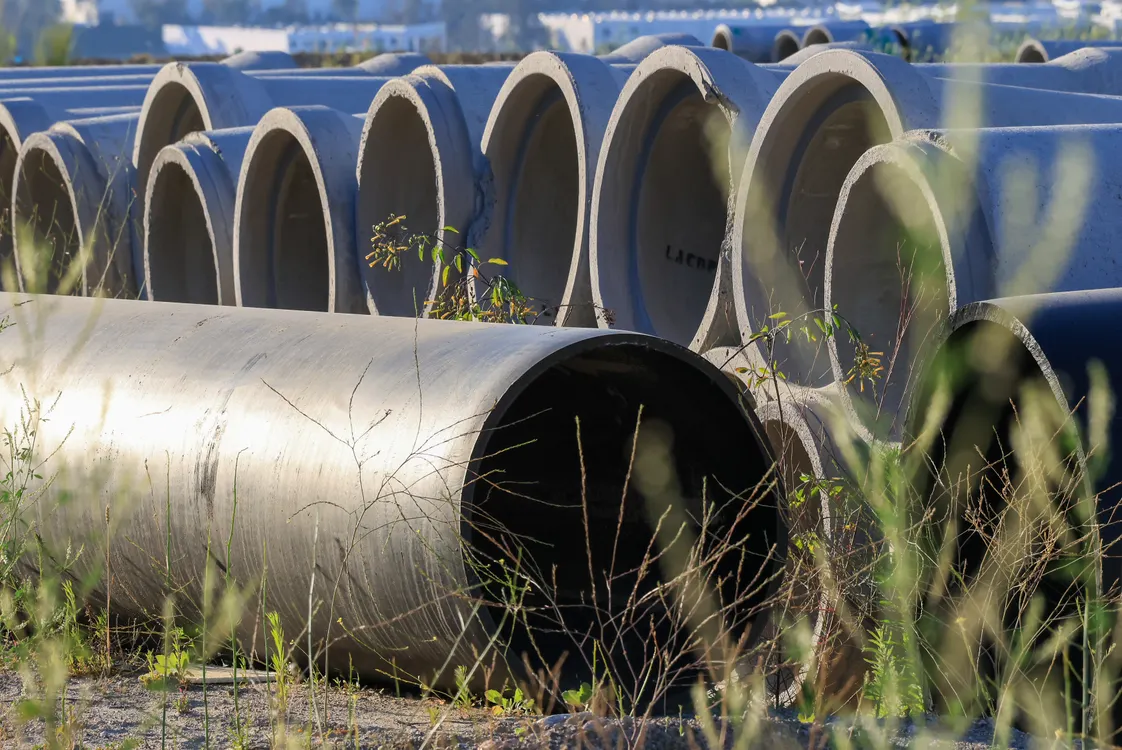
Main sewer line repair starts with finding out what is wrong with the line, not with guessing at a fix. The main line runs from the home to the street connection, and it can fail in several ways: a blockage from roots or built-up material, a cracked or collapsed section, a joint that has shifted out of alignment, or a section that has sunk or bellied so that waste water pools instead of flowing. Each of these calls for a different response, and the provider will explain what the inspection found and what options exist before any work begins.
Repair may mean clearing the line, replacing a damaged section, or, where the line and the ground allow, a trenchless method that works through the existing line with less digging. A trenchless repair is only considered after an inspection shows that the line is a candidate for it; it is not suitable for every line, and a collapsed or badly misaligned section may need a different approach. Ask the provider to explain what was found, what each option involves, and what to confirm about licensing, insurance, and pricing before work begins.
Signs of a main sewer line problem in Colorado Springs, in detail
The clearest sign of a main line problem is more than one fixture failing at the same time. A single slow drain usually points to that drain or its branch line, but when a toilet, a shower, and a floor drain all misbehave together, the trouble is almost always further down the system, in the line they share. Sewage backing up through the lowest fixture in the home is the most urgent version of this, and it should be treated as a call right away rather than something to watch for a few days.
Outside signs matter as well. A soggy or sunken patch in the yard, a strip of grass that stays green and grows faster than the rest of the lawn, or a sewage smell near the line route can all point to a main line leak. So can a problem that comes and goes with the weather: trouble that appears after heavy rain, a summer thunderstorm, or spring snowmelt, then eases when the ground dries, often means a weakened line is being pushed over the edge by extra water. Keep a note of when the trouble appears and what was happening at the time, because that pattern helps the provider narrow down the cause.
What a camera inspection actually covers
A camera inspection sends a small camera through the sewer line so the inside of the line can be viewed directly, instead of relying on symptoms alone. The camera shows cracks, breaks, root intrusion, shifted joints, bellies where water pools, and sections that have collapsed, and it shows where each problem sits along the line. That matters for a main line because the repair depends on the location and the type of damage, and digging in the wrong place helps no one.
An inspection also gives the homeowner something concrete to discuss with the provider, including whether a trenchless method is an option for that particular line. Trenchless repair is only considered after an inspection shows the line is a candidate, and the provider should explain why it fits or does not fit the line in question. Ask what the camera found, where the damage is, and what the options are before agreeing to any work.
Service area: Colorado Springs, Colorado
Help is available across Colorado Springs, including central Colorado Springs, downtown Colorado Springs, Old Colorado City, the east side, the north side near the Air Force Academy area, the south side, and neighborhoods along Fountain Creek. When you call, say your Colorado Springs address and ZIP code so you can be connected with a provider serving your part of the city.
What to have ready when you call
- Your Colorado Springs address and ZIP code.
- Which fixtures are affected, and in what order the problem appeared.
- Whether the problem changes when water is used elsewhere, or after heavy rain, a thunderstorm, or snowmelt.
- Whether the trouble is new, recurring, or getting worse, and what has already been tried.
- Any recent digging, tree work, or ground changes near the line route.
- Whether neighbors have similar trouble, which helps separate a single-home main line problem from a wider issue.
How calling works
- Call – call (607) 376-4949. Working hours: 24/7.
- Tell us your city and problem – say your city and ZIP code, and describe what you are seeing.
- Get connected – we connect you with an independent local provider.
- Confirm before work begins – confirm licensing, insurance, and pricing directly with the provider.
Questions to ask the provider
- What did the camera inspection find, and where exactly is the damage?
- Is this a main line problem, or could a branch line or single drain explain the symptoms?
- What repair options fit this line, and is a trenchless method a candidate after inspection?
- What will the work involve, and what parts of the yard or home will be affected?
- Are you licensed and insured for this work, and what does the pricing cover?
- What should I watch for after the repair, and what would suggest a follow-up is needed?
Frequently asked questions about main sewer line repair in Colorado Springs, CO
How do I know the problem is the main line and not a single drain?
When several fixtures fail at the same time, especially the lowest fixtures in the home, the trouble is usually in the main line they share. A single slow drain usually points to that drain alone. A camera inspection confirms which line is involved.
Why do main line problems in Colorado Springs sometimes appear after heavy rain or snowmelt?
Heavy rain, summer thunderstorms, and spring snowmelt send extra water through the ground and the sewer system, and low-lying ground near Fountain Creek and its tributaries stays wet longer. A main line already weakened by age, roots, or ground movement is most likely to show trouble when that extra water arrives.
Do older homes in Colorado Springs have different main line problems than newer subdivisions?
Older homes near downtown and the original town site are more likely to have older line materials with shifted joints, while newer subdivisions on the east side more often have newer plastic lines. The inspection, not the age of the home alone, shows what a given line needs.
Will a trenchless repair work for my Colorado Springs main sewer line?
That depends on what the camera inspection finds. Trenchless methods are only considered after an inspection shows the line is a candidate, and a collapsed or badly misaligned section may need a different approach. Ask the provider to explain what fits your line.
Call (607) 376-4949. Working hours: 24/7. For main sewer line repair in Colorado Springs, say your address and ZIP code, describe what you are seeing, and get connected with a local provider. You can also visit the Services page, the Colorado page, Browse by state, or Home.
Sewer Line Repair is a referral service, not a plumbing provider. Callers are connected with independent local providers, and should confirm licensing, insurance, and pricing directly with the provider before work begins.
Contact: hello@sewerlinerepair.online