
Sewer line repair in Downey, CA
Find sewer line help in Downey, California, by starting with what you are seeing at home. Each section on this page explains what to do right now, what the signs can mean, and what a camera inspection covers before a repair is chosen, so you can describe the problem clearly when you call.
Sewer Line Repair is a referral service, not a plumbing provider. Callers are connected with independent local providers, and licensing, insurance, and pricing should be confirmed directly with the provider before work begins.
Call (607) 376-4949Working hours: 24/7
What to do right now
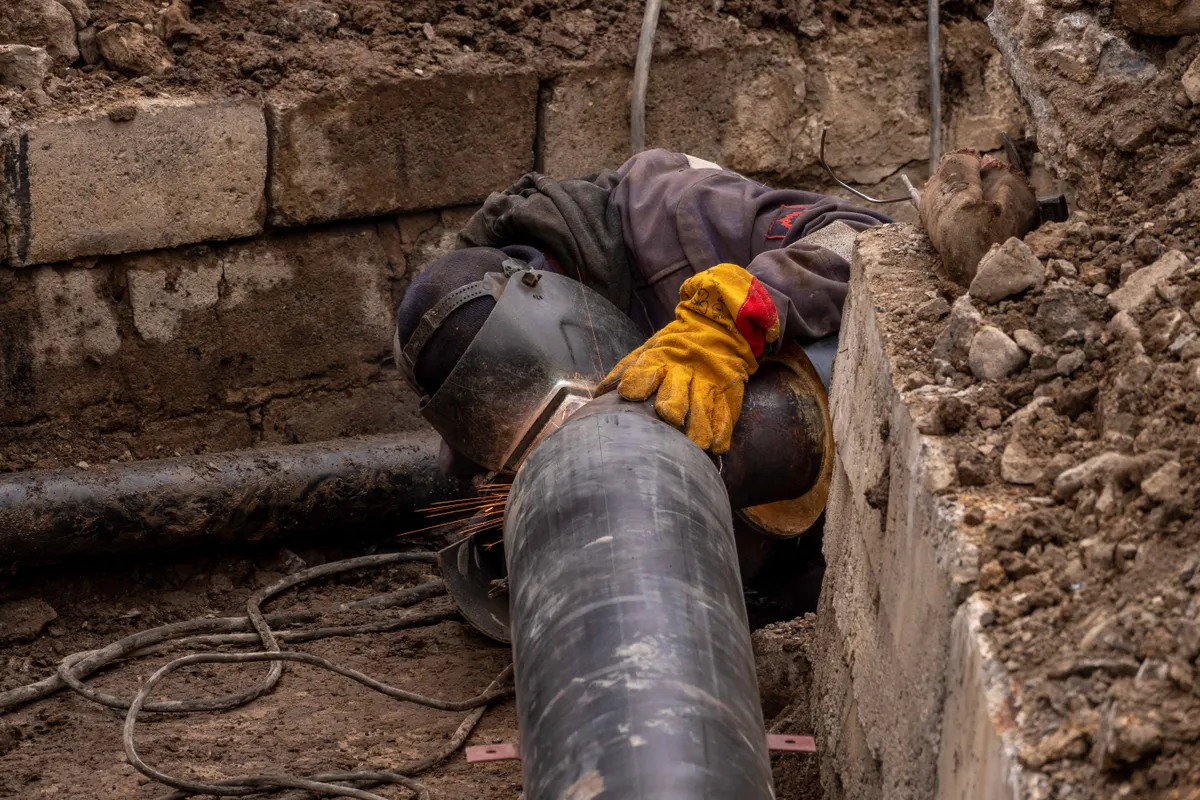
If sewage is backing up into a tub, shower, or floor drain in Downey, limit water use in the home right away. Do not run the washing machine, the dishwasher, or several taps at once, because each added load of water can push more wastewater toward a line that is already restricted. Note which fixtures are affected and in what order the trouble appeared, since that order helps a provider tell a single-fixture drain problem from a shared sewer line problem.
If only one drain is slow, note whether other fixtures in the home are also slow, gurgling, or backing up. A single slow sink is often a local drain issue, while several slow fixtures at the same time, a toilet that gurgles when water runs elsewhere, or a sewage smell that will not go away point more strongly to the main sewer line. Writing down what you see, and when it started, makes the call clearer and helps the provider ask the right follow-up questions.
When you call, have your street address ready, along with any information you already know about the home, such as its approximate age, any sewer work done before, and whether large trees stand near the likely line route. If the trouble followed rain or heavy irrigation, say so, and mention whether neighbors have similar trouble, because that helps separate a single-home line problem from a wider neighborhood issue.
Do not dig to check. Do not open or enter a sewer or septic system. Buried lines, deep holes, and sewer gases are dangerous, and digging without knowing where the line runs can damage the line further or strike another buried utility. Leave inspection and repair to a licensed provider who can locate the line and view its inside condition with a camera first.
Symptoms and likely causes in Downey
| What you notice | What it can mean in Downey |
|---|---|
| Sewage backing up into a low fixture | A blockage or restriction in a main or lateral line, or a line affected by heavy winter rain or saturated ground. |
| Several drains slow at the same time | A shared line problem rather than a single fixture drain, especially if toilets and tubs are affected together. |
| Gurgling sounds from drains or toilets | Air movement through a partially restricted line, which can appear before a full backup. |
| Sewer smell inside or near the home | A dry trap, a vent or seal issue, or a line problem that deserves a closer look. |
| Wet or unusually green patch in the yard | A possible leak from a lateral line, though a wet patch after rain or irrigation can be hard to read on its own. |
| Trouble that returns after rain | Groundwater and stormwater pressure on a line that already has a crack, joint gap, or root intrusion. |
Local sewer factors in Downey, California
Downey, in Los Angeles County, sits in the Gateway Cities region of southeastern Los Angeles County, on flat valley ground. The city grew as a suburban community with established neighborhoods of older homes alongside newer homes and apartment buildings, so the sewer lines under Downey homes vary a great deal in age, material, and condition. A line under an older home may have served for decades, while a line under a newer building may be far younger, and the right questions for each home are different.
Rain in Downey follows the Southern California pattern of dry summers and wet winters. Most of the year the ground is dry, and landscape irrigation keeps lawns and planting beds watered through the long dry season. When winter rain arrives, sometimes in heavy bursts, the ground can saturate quickly, and that extra water can press on a buried line. If the line already has a crack, a joint gap, or roots growing through a joint, trouble that was quiet in dry weather can appear after rain, as a backup, a slow drain, or a smell that was not there before.
Housing age matters in Downey as well. The city includes older homes in established neighborhoods, where lines may be made of materials that crack, shift, or develop joint gaps as the ground moves, and newer homes and subdivisions, where lines are younger but can still be affected by roots, ground movement, or a single damaged section. Large trees near older lots are a common factor: roots seek moisture in the soil and can enter a line through a joint gap or a small crack, then grow and narrow the line over time. Age alone does not prove a line is damaged, and a camera inspection is the way to see the actual condition of the line in a particular home.
The layout of a Downey home also shapes the questions a provider will ask. Where the line runs, how deep it sits, where it connects to the city main, and whether there are trees, driveways, or patios over the route all affect what repair options are practical. A line that runs under a driveway or a mature tree raises different questions from a line with clear, open access. Knowing the home’s layout, or being ready to describe it, helps the provider plan the inspection and explain the findings clearly.
Sewer line repair in Downey, in detail
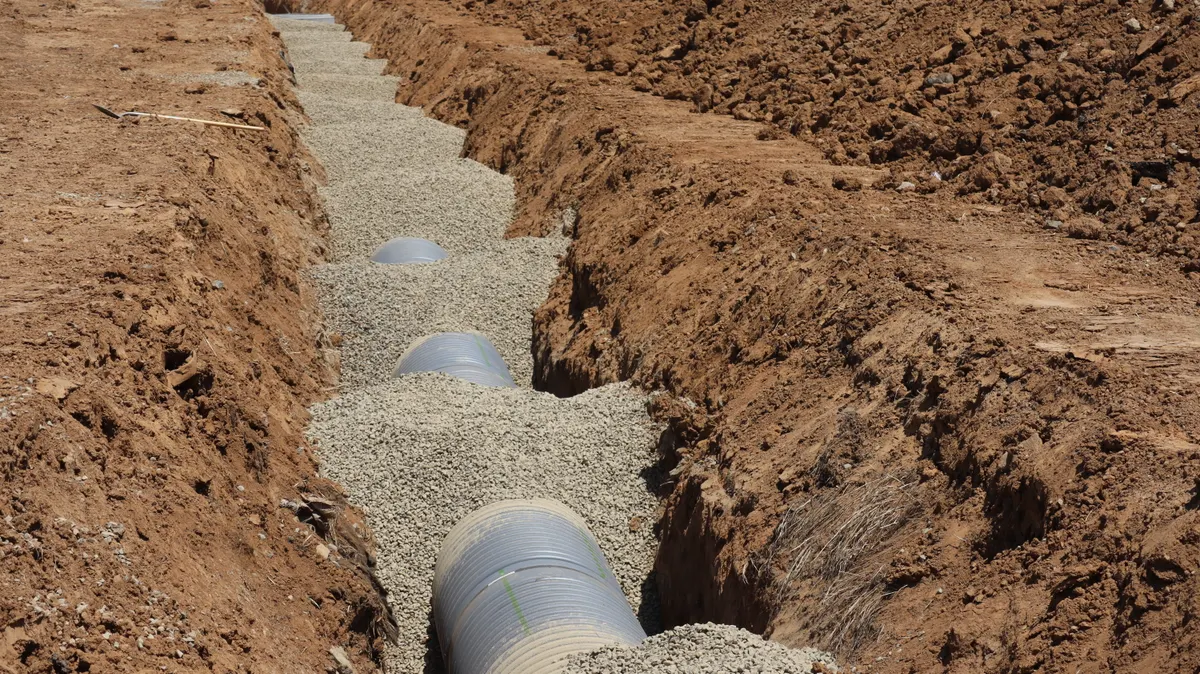
Sewer line repair in Downey starts with understanding the line itself: what it is made of, where it runs, and what condition it is in. A sewer line carries wastewater from the home to the city main, and most of its length is buried and out of sight. When a problem appears, the visible signs at home, such as backups, slow drains, or smells, are only the surface of the story. The real question is what is happening inside the line, and that question is answered by inspection, not by guessing from the symptoms alone.
Repair options depend on what the inspection finds. Some lines need a spot repair at a single damaged section, where one crack or one failed joint is the whole problem. Others need a longer section replaced, or a lining or trenchless method where the line condition, layout, and access allow it. In some cases the problem turns out to be a blockage that can be cleared rather than a damaged line at all. Each of these paths involves different work, different disruption to the yard, and different questions to ask about licensing, insurance, and pricing, which is why the inspection step matters so much before any repair approach is chosen.
Before any work begins, confirm licensing, insurance, and pricing directly with the provider. Ask what the inspection showed and where along the line the problem sits, what repair options fit those findings, and what each option involves. Ask what is included in the price, what could change it, and what to watch for after the repair. A clear, written understanding before work starts protects both the homeowner and the provider, and it makes it easier to compare options when more than one repair path is possible.
It also helps to know what sewer line repair in Downey does not include. This page connects callers with independent local providers; it does not diagnose a line from the symptoms described here, and it does not replace an on-site inspection. If sewage is backing up, if the problem is getting worse, or if you are unsure whether the trouble is in your line or a wider system, call and describe what you are seeing so a provider can judge the next step.
Signs of a sewer line problem in Downey, in detail
Backups are the most urgent sign. If sewage is coming up through a floor drain, tub, or shower, limit water use in the home and call promptly. A backup means wastewater is not leaving the home as it should, and continued water use can make the backup worse. Note which fixtures back up first and whether the backup follows heavy water use, rain, or irrigation, because that pattern helps the provider narrow down where the restriction may sit.
Slow drains across several fixtures at once are another strong sign of a shared line problem. When the kitchen sink, a bathroom sink, and a tub all drain slowly, or when a toilet gurgles while a shower runs, the common thread is usually the shared sewer line rather than any single fixture drain. A single slow drain, by contrast, is more often a local clog in that fixture’s own trap or branch. The difference matters, because the fix for a local clog and the fix for a shared line problem are very different.
Outdoor signs deserve the same careful reading in Downey. A wet patch, a sunken area, or a strip of grass that stays green while the rest of the lawn dries out can point to a leak from a lateral line, but each of these signs can also have other causes, including irrigation, rain, or a sprinkler leak. A wet patch that appears after rain or irrigation is harder to read than one that appears in dry weather with no watering. Tell the provider when the patch appeared and what else was happening at the time, so the inspection can be planned around the most useful evidence.
Smells should not be ignored either. A sewer smell inside the home can come from a dry trap or a vent problem, which may be simple to fix, or it can come from a line problem that needs a closer look. A smell near a floor drain that is rarely used often points to a dry trap, while a smell that comes with slow drains or backups points more strongly to the line itself. Either way, describing where the smell is strongest and when it appears helps the provider decide what to check first.
What a camera inspection actually covers
A camera inspection sends a small camera through the line to view its inside condition. It can show cracks, joint gaps, root intrusion, sagging sections, blockages, and the general state of the pipe material, along with where each problem sits along the line. That location matters: a problem near the house, a problem mid-yard, and a problem near the city main can each call for a different repair approach, and the camera gives the provider a map of the line rather than a guess.
Inspection also sets the limit for trenchless work. Trenchless methods are only an option where inspection shows the line condition, layout, and access allow them. If a line is collapsed, badly offset, or otherwise unsuitable, the provider can explain the other repair options that fit the inspection findings. No repair method suits every line, and a provider who insists on one method before seeing inside the line has skipped the step that makes the choice sound.
An inspection also gives the homeowner something concrete to discuss with the provider, including what was found, where it was found, and what options follow from it. Ask to see the findings explained in plain terms, and ask what each repair option would involve, what it would cost, and what to expect during and after the work. A good inspection report turns a worrying, invisible problem into a clear picture with a plan.
Service area: Downey, California
Help is available across Downey, including downtown Downey, central neighborhoods, and the north, south, east, and west sides of the city. When you call, say Downey and your ZIP code, along with your street address, so the provider can confirm coverage for your part of the city and plan the visit.
What to have ready when you call
- Your Downey street address and the best phone number to reach you.
- Which fixtures are affected, and whether the trouble is sudden or recurring.
- Any bad smell, gurgling, wet yard patch, or unusually green grass you have noticed.
- Whether the trouble follows heavy rain or heavy water use in the home.
- The age of the home and any sewer work done before, if you know it.
- Whether large trees stand near the likely line route.
How calling works
- Call – call (607) 376-4949.
- Tell us your city and problem – say you are in Downey and what you are seeing.
- Get connected – we connect you with an independent local provider.
- Confirm before work begins – confirm licensing, insurance and pricing directly with the provider.
Questions to ask the provider
- Are you licensed and insured to work in California?
- Will a camera inspection be done before a repair approach is chosen?
- What did the inspection show, and where along the line is the problem?
- What repair options fit those findings, and what does each one involve?
- What is the pricing, and what is included before work begins?
- What should we watch for after the repair, and who do we call if trouble returns?
Frequently asked questions about sewer line repair in Downey, CA
Can I get help anywhere in Downey?
Help is available across Downey, including downtown Downey, central neighborhoods, and the north, south, east, and west sides of the city. When you call (607) 376-4949, say your address and what you are seeing, so the provider can confirm coverage for your part of the city.
Why do Downey problems appear after heavy rain?
Downey has dry summers and wet winters, and rain can arrive in heavy bursts that saturate the ground. Heavy rain can put extra pressure on a line that already has a crack, joint gap, or root intrusion, so trouble that was quiet in dry weather can appear after rain. A camera inspection shows whether the line itself is damaged or whether the timing is mainly weather-related.
Are older Downey homes more likely to have sewer line problems?
Older homes can be more likely to have lines made of materials that crack, shift, or develop joint gaps as the ground moves, and large tree roots can add to the problem. Age alone does not prove a line is damaged, though. A camera inspection is the way to see the actual condition of the line in a particular home.
Can trenchless repair be used for any Downey sewer line?
No. Trenchless methods are only an option where inspection shows the line condition, layout, and access allow them. If a line is collapsed, badly offset, or otherwise unsuitable, the provider can explain the other repair options that fit the inspection findings.
Call (607) 376-4949. Working hours: 24/7. For sewer line repair in Downey, say your city and ZIP code, describe what you are seeing, and mention whether the trouble followed rain, irrigation, or heavy water use.
Services | California | Browse by state | Home
Sewer Line Repair is a referral service, not a plumbing provider. Callers are connected with independent local providers. We do not guarantee their work or prices. Confirm licensing, insurance, and pricing directly with the provider before work begins.
Contact: hello@sewerlinerepair.online.