
Sewer line repair in Mesa, AZ
When sewer line repair in Mesa, AZ is needed, the first sign is often several drains slowing at once, a toilet that gurgles when water runs elsewhere, or a sewage smell that will not go away. This page explains the signs, what a camera inspection covers, and how to get connected with a local provider.
Sewer Line Repair is a referral service, not a plumbing provider. When you call, you are connected with an independent local provider, and you confirm licensing, insurance, and pricing directly with that provider before work begins.
Working hours: 24/7
What to do right now
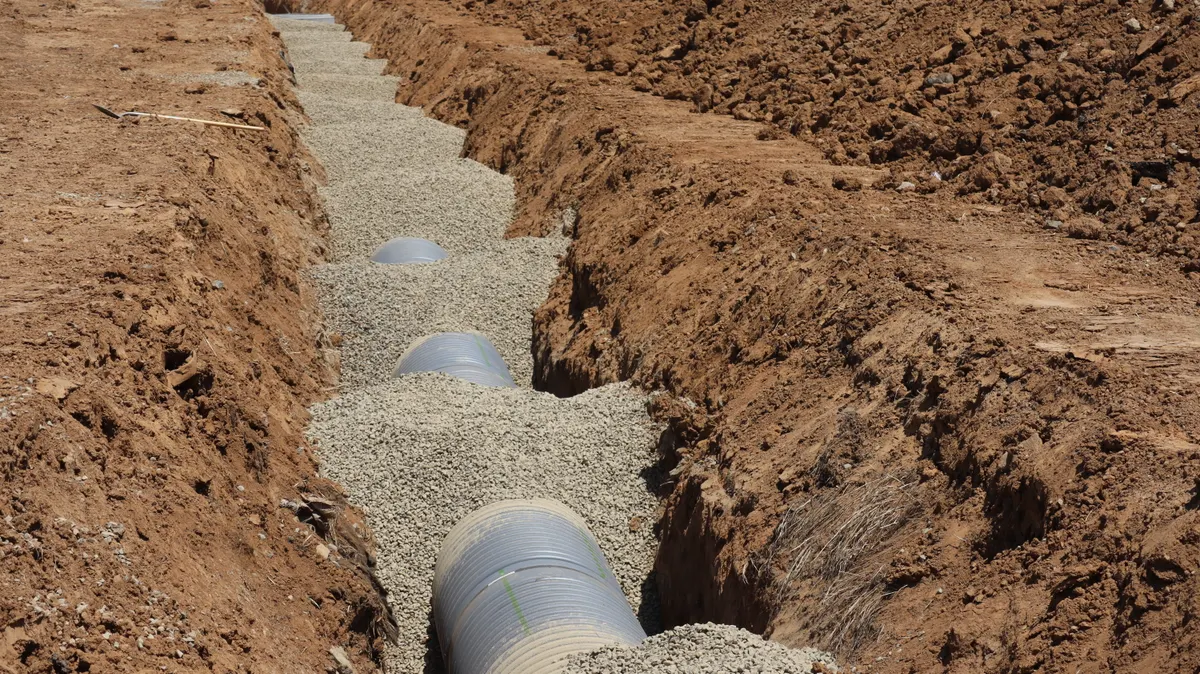
If several drains are slowing at once, or if you smell sewage that will not go away, limit water use where you can and note which fixtures are affected. Running more water through a line that is already struggling can make a slow drain into a backup, and a sewage smell is worth treating as a sign that something underground needs attention.
Write down when the problem started, whether it changes when water is used elsewhere in the house, and whether it appeared after a monsoon storm or heavy watering. That information helps the provider understand whether the trouble is likely in a single branch line or in the main sewer line serving the home.
Then call and describe what you are seeing. You will be connected with an independent local provider, and you confirm licensing, insurance, and pricing directly with that provider before work begins. If sewage is backing up into the home, treat it as urgent and call right away.
Symptoms and likely causes in Mesa
| What you notice | Likely cause to discuss with the provider |
|---|---|
| Several drains slowing at once | A problem in the main sewer line |
| Toilet gurgling when water runs elsewhere | Air or pressure trouble in the main line |
| A sewage smell that will not go away | A leak or break letting sewage or sewer gas escape |
| One drain backing up again and again | A partial blockage, root entry, or damaged section |
| A soggy or sunken patch in the yard | A leaking line feeding extra water into the soil |
| Problems that appear after monsoon rain | Extra water exposing a line that was already weak |
This table is a guide, not a diagnosis. Only an inspection of the actual line can show what is happening underground.
Local sewer factors in Mesa, Arizona
Mesa is the third-largest city in Arizona, in Maricopa County, in the East Valley of the Phoenix area. It grew from agricultural roots into a large suburban city, and that history shows up in its sewer lines: older neighborhoods near downtown and in west Mesa have older lines, while newer subdivisions in east Mesa generally have newer plastic lines. Older lines are more likely to have joints, cracks, and root entry, while newer lines can still be affected by ground movement, poor grading, or roots finding a small opening.
Ground in Mesa is shaped by the Sonoran Desert: dry desert soils that are sandy to gravelly, long hot dry stretches, and sudden monsoon bursts that saturate the ground quickly. The Salt River runs along the north side of the city, and low-lying ground near the river, canals, and washes stays wet longer after monsoon rain. Irrigation is common in Mesa yards, and the combination of dry ground, irrigation water, and sudden monsoon saturation keeps the soil around a sewer line moving through the year.
Trees matter in Mesa because palms, mesquite, palo verde, and citrus trees in older yards all send roots toward moisture. Roots are drawn to the water and nutrients inside a sewer line, and they enter through small leaks and loose joints. Once inside, roots catch debris and grow, narrowing the line until drains slow or back up. A camera inspection shows whether roots, cracks, or another problem is behind the symptoms in a given home.
Sewer line repair in Mesa, in detail
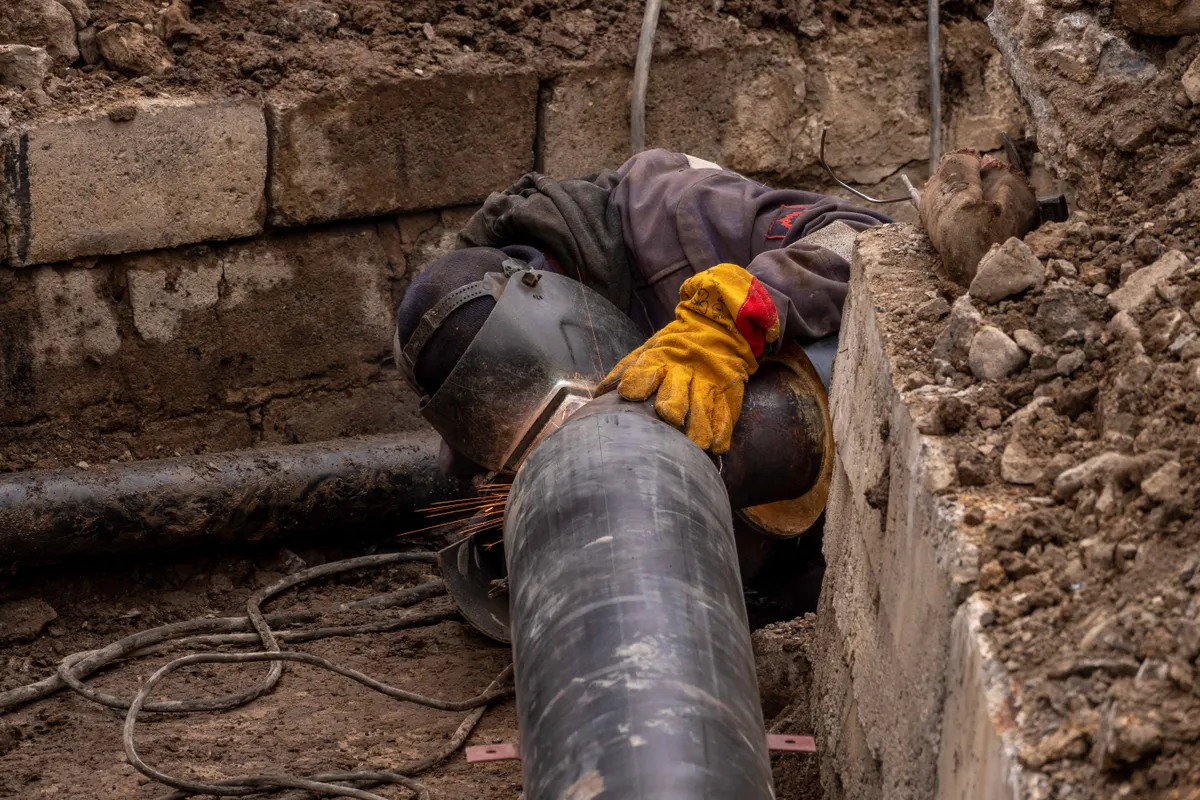
Sewer line repair in Mesa starts with finding the actual problem. A provider may ask which fixtures are affected, how long the trouble has been going on, and whether it changes after rain or irrigation, and then look at the line itself, often with a camera, to find the location and cause of the trouble. Emergency help means getting connected with a local provider as quickly as possible; no arrival time is promised on this page.
Repair options depend on what the inspection finds. A simple blockage may be cleared, while a cracked, root-damaged, or collapsed section may need a repair or a replacement of that section. Trenchless repair is sometimes possible, but only after an inspection shows that the line’s condition suits it. In every case, confirm licensing, insurance, and pricing directly with the provider before work begins, and ask what the repair covers and what happens if the problem returns.
Signs of a sewer line problem in Mesa, in detail
A backup is the clearest sign and the most urgent: sewage coming up through a floor drain, shower, or toilet means the line cannot carry wastewater away, and continued water use can make it worse. Several drains slowing or backing up together points to the main line rather than a single fixture, and a toilet that gurgles when water runs elsewhere is another sign that air and water are not moving through the main line as they should.
Outside signs matter as well. A soggy or sunken patch in the yard, a strip of grass that stays green while the rest of the lawn dries out, or a sewage smell near the yard can all point to a leaking line. Problems that appear after monsoon rain deserve attention too: extra water in the ground can expose a line that was already weak, and a problem that returns after clearing usually means the underlying damage is still there.
What a camera inspection actually covers
A camera inspection sends a small camera through the sewer line so the inside of the line can be viewed. It shows blockages, root entry, cracks, breaks, bellies where water collects, and collapsed sections, along with where each problem sits along the line. That matters because it separates a simple blockage from damage that needs a repair, and it keeps the discussion about repair options grounded in what the line actually looks like.
An inspection also gives the homeowner something concrete to discuss with the provider, including where the problem is, how serious it is, and which repair options fit that section of line. Trenchless repair is only considered after an inspection, because it depends on the line’s condition, its depth, and whether the damaged section can be reached and lined or replaced without digging. Ask the provider to explain what the camera showed and what each option would involve.
Service area: Mesa, Arizona
Sewer line repair help through this service covers central Mesa, downtown Mesa, West Mesa, East Mesa, Dobson Ranch, the Red Mountain area, Superstition Springs, Mesa Riverview, and neighborhoods along the Salt River. If you are elsewhere in the Mesa area, call and say your city and ZIP code, and you will be connected with a provider serving that area where one is available.
What to have ready when you call
- Your Mesa address and ZIP code.
- Which fixtures are affected, and in what order the problem appeared.
- Whether the problem changes when water is used elsewhere, or after monsoon rain or irrigation.
- Whether the trouble is new, recurring, or getting worse, and what has already been tried.
- Any recent digging, tree work, irrigation changes, or ground changes near the line route.
- Whether neighbors have similar trouble, which helps separate a single-home line problem from a wider problem.
How calling works
- Call – call (607) 376-4949. Working hours: 24/7.
- Tell us your city and problem – say your city and ZIP code, and describe what you are seeing.
- Get connected – we connect you with an independent local provider.
- Confirm before work begins – confirm licensing, insurance, and pricing directly with the provider.
Questions to ask the provider
- What does the camera inspection show, and where exactly is the problem?
- Is this a blockage that can be cleared, or is the line damaged?
- Which repair options fit this section of line, and is trenchless repair possible here?
- What will the repair involve, and how long should it take?
- What does the price cover, and what happens if the problem returns?
- Are you licensed and insured for this work in Arizona?
Frequently asked questions about sewer line repair in Mesa, AZ
Why do sewer problems in Mesa sometimes appear after heavy rain?
Monsoon rain saturates desert ground quickly, and extra water around a line can expose weakness that was already there, such as a crack, a loose joint, or root entry. If a problem appears after a storm, note which fixtures are affected and call so the line can be inspected.
Do older homes in Mesa have different sewer problems than newer subdivisions?
Older homes near downtown and in west Mesa more often have older lines with joints, cracks, and root entry. Newer subdivisions in east Mesa generally have newer plastic lines, but ground movement, poor grading, or roots finding a small opening can still cause trouble. A camera inspection shows which situation applies to a given home.
Can tree roots cause sewer problems in Mesa?
Yes. Palms, mesquite, palo verde, and citrus trees send roots toward the moisture inside a sewer line, and roots enter through small leaks and loose joints. Once inside, roots catch debris and narrow the line until drains slow or back up. A camera inspection shows how far root entry has gone.
Will a trenchless repair work for my Mesa sewer line?
It depends on what the camera inspection finds. Trenchless repair is only considered after an inspection shows that the line’s condition, depth, and damaged section suit it. Ask the provider to explain what the camera showed and whether trenchless repair fits that section of line.
Call (607) 376-4949. Working hours: 24/7. For sewer line repair in Mesa, AZ, say your city and ZIP code, describe what you are seeing, and get connected with a local provider. You can also visit our Services page, the Arizona directory, Browse by state, or Home.
Sewer Line Repair is a referral service, not a plumbing provider. Callers are connected with independent local providers, and should confirm licensing, insurance, and pricing directly with the provider before work begins.
Contact: hello@sewerlinerepair.online