
Sewer line repair in Staten Island, NY
When sewer line repair in Staten Island, NY is needed, the first sign is often several drains slowing at once, a toilet that gurgles when water runs elsewhere, or a sewage smell that will not go away. This page explains the signs, what a camera inspection covers, and how to get connected with a local provider.
Sewer Line Repair is a referral service, not a plumbing provider. When you call, you are connected with an independent local provider, and you confirm licensing, insurance, and pricing directly with that provider before work begins.
Working hours: 24/7
What to do right now
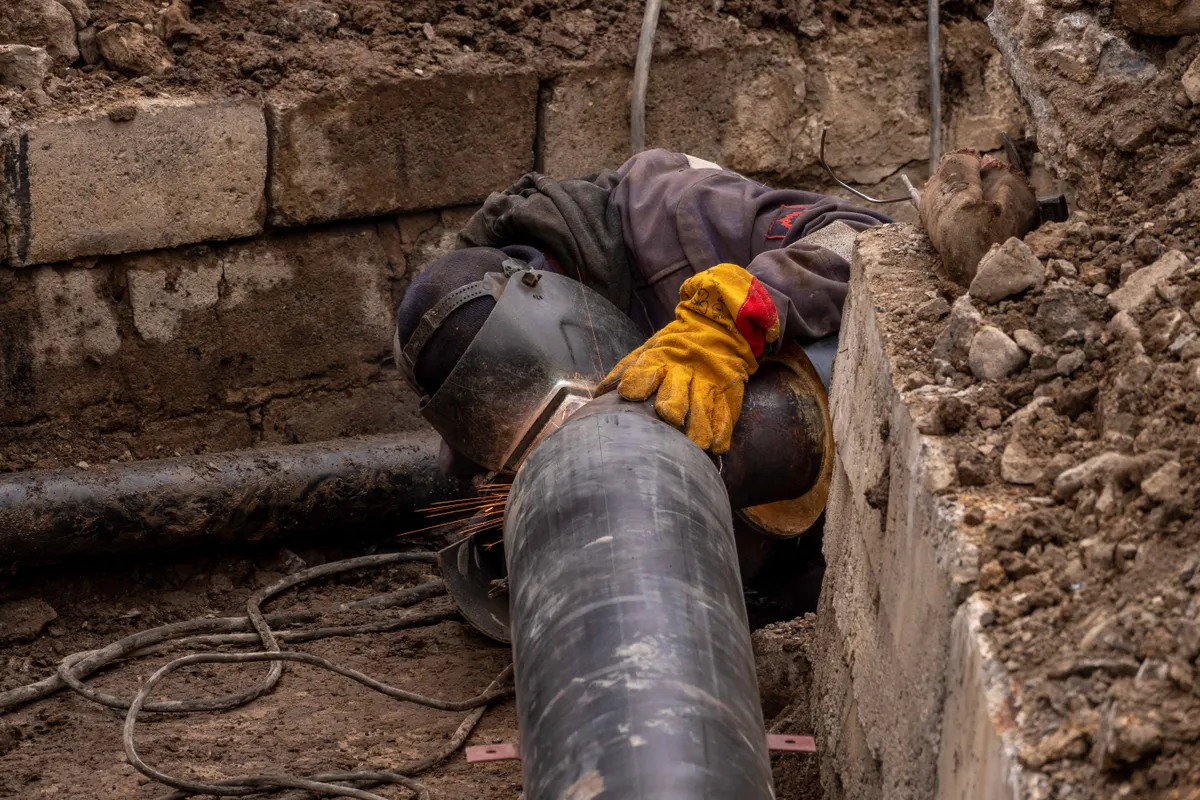
If several drains are slowing at once, or if you smell sewage that will not go away, limit water use until you know more. Avoid running the washing machine, the dishwasher, and several fixtures at the same time, because every gallon that goes down a drain has to travel through the same line. If sewage is coming up through a drain, keep people and pets away from it, and do not try to clear the line yourself with chemicals or rented equipment.
Write down when the problem started, whether it changes when water is used elsewhere in the house, and whether it gets worse after heavy rain or snowmelt. Note which fixtures are affected and in what order, and whether neighbors have similar trouble. Those details help separate a problem in one home’s line from a wider problem, and they give the provider a clearer starting point.
Then call and describe what you are seeing. You will be connected with an independent local provider who can arrange an inspection of the actual line. Confirm licensing, insurance, and pricing directly with that provider before any work begins, and ask what the inspection shows before agreeing to a repair.
Symptoms and likely causes in Staten Island
| What you notice | Likely cause to discuss with the provider |
|---|---|
| Several drains slowing at once | A problem in the main sewer line |
| Toilet gurgling when water runs elsewhere | Air or pressure trouble in the main line |
| A sewage smell that will not go away | A leak or break letting sewage or sewer gas escape |
| One drain backing up again and again | A partial blockage, root entry, or damaged section |
| A soggy or sunken patch in the yard | A leaking line feeding extra water into the soil |
| Problems that appear after heavy rain or snowmelt | Extra water exposing a line that was already weak |
This table is a guide, not a diagnosis. Only an inspection of the actual line can show what is happening underground.
Local sewer factors in Staten Island, New York
Staten Island is the southernmost borough of New York City, in Richmond County, separated from Brooklyn by the Narrows and from New Jersey by the Arthur Kill and the Kill Van Kull. Older neighborhoods near the North Shore, around St. George and the ferry terminal, and along the older waterfront and rail corridors, sit beside later residential areas that spread south and west across the island. That mix of ages matters for sewer lines: older lines near the North Shore and in the oldest neighborhoods are more likely to be made of older materials and to have joints that have shifted over time, while newer subdivisions on the South Shore and in the island’s interior more often have newer plastic lines.
Ground on Staten Island ranges from low-lying coastal ground near the harbor, the Arthur Kill, and the island’s beaches and wetlands, to higher, hillier ground in the island’s interior, including the ridge that runs through the center of the island. Soils include clay and glacial material left by the ice sheets, and clay expands when wet and shrinks when dry, which can move a buried line slightly over the seasons. Low-lying ground near the shore and near streams and wetlands stays wet longer after heavy rain, and coastal storms can push large amounts of water into low areas quickly.
Trees matter on Staten Island because mature maples, oaks, and other large yard and street trees are common across the island’s older neighborhoods, and their roots are drawn toward the moisture inside a sewer line. Roots can enter through small leaks and loose joints, and once inside they can catch debris and narrow the line. Winters bring freezing temperatures, freeze-and-thaw cycles, and snowmelt, and spring rain and summer thunderstorms add more water at the times of year when a marginal line problem most often shows up.
Sewer line repair in Staten Island, in detail
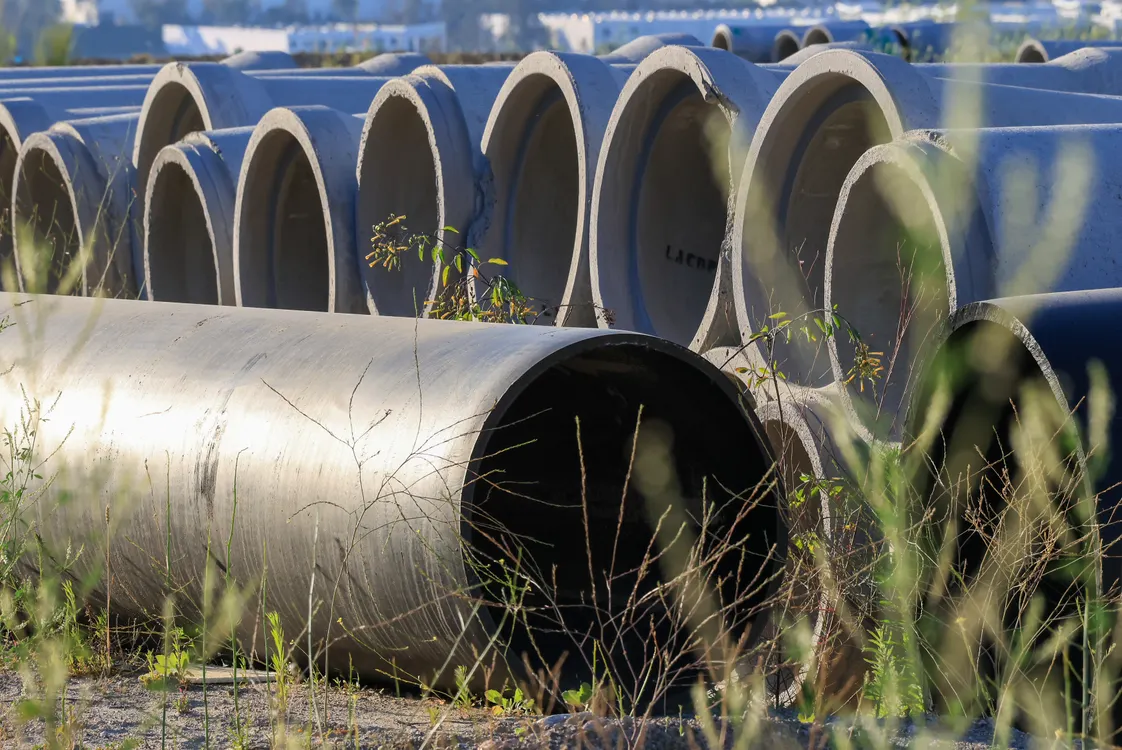
Sewer line repair in Staten Island starts with finding the actual problem. A provider may ask which fixtures are affected, when the trouble began, and whether it changes with water use elsewhere or after rain or snowmelt. A camera inspection is the usual next step: a small camera travels through the line so the inside can be viewed, and the footage shows whether the trouble is a blockage, root entry, a crack, a sagging section, or a collapsed part of the line. The location and depth of the problem matter too, because a line under a driveway, a sidewalk, or a mature tree is a different job from a line in open ground.
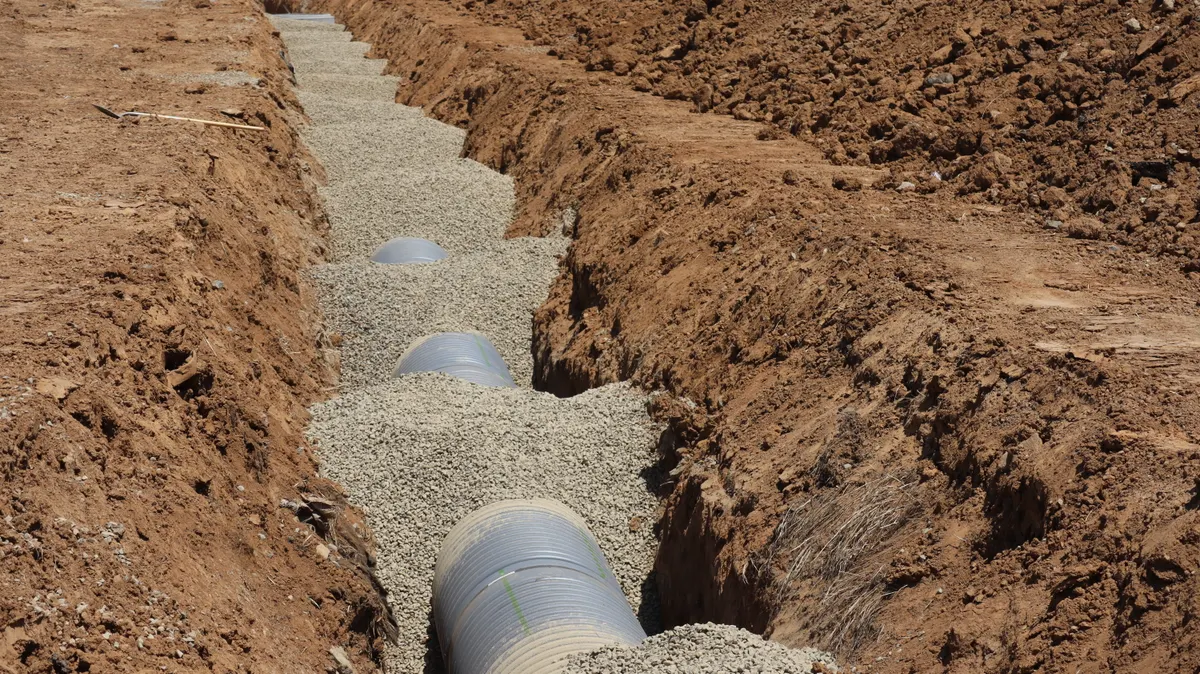
Repair options depend on what the inspection finds. A simple blockage may be cleared, while a cracked or collapsed section usually needs repair or replacement of that section. Trenchless repair, which works through small access points rather than a full open trench, is sometimes possible, but only after an inspection shows that the line’s condition suits it. Emergency help means getting connected quickly when sewage is backing up or a line has failed; it is not a promised arrival time, and the provider who takes the call can explain what happens next.
Signs of a sewer line problem in Staten Island, in detail
A backup is the clearest sign and the most urgent: sewage coming up through a floor drain, shower, or toilet means the line is not carrying waste away, and water use should be limited until the line is inspected. Several slow drains at once point in the same direction, because a single clogged fixture usually affects only that fixture, while a main-line problem affects everything downstream of it. Gurgling toilets, bubbling in a drain when water runs elsewhere, and a sewage smell that lingers indoors or in the yard are earlier warnings worth acting on before they become a backup.
Outside signs matter as well. A soggy or sunken patch in the yard, a strip of grass that stays greener than the rest, or a soft spot near the line route can mean a leak is feeding extra water into the soil. Problems that appear or worsen after heavy rain or snowmelt can mean extra water is entering the system or exposing a line that was already weak. Recurring trouble in the same drain, especially after it has been cleared before, often means the underlying cause is still in the line, not in the fixture.
What a camera inspection actually covers
A camera inspection sends a small camera through the sewer line so the inside of the line can be viewed directly. The provider can see the line’s material and condition, find cracks, breaks, root entry, blockages, and sections that sag or hold water, and measure how far along the line each problem sits. That footage turns a guess into something specific: instead of wondering whether the trouble is a blockage or a broken section, the homeowner and the provider can look at the same evidence.
An inspection also gives the homeowner something concrete to discuss with the provider, including where exactly the problem is, which repair options fit that section of line, and whether trenchless repair is possible there. Ask for a copy of the footage or report, and ask the provider to explain what each finding means before agreeing to work. A line that is only blocked needs a different answer from a line that is cracked or collapsed, and the inspection is what separates the two.
Service area: Staten Island, New York
Sewer line repair help through this service covers central Staten Island, the North Shore, the South Shore, St. George, Stapleton, West Brighton, Port Richmond, New Dorp, Dongan Hills, Great Kills, Tottenville, Midland Beach, South Beach, and neighborhoods along the Arthur Kill and the Lower New York Bay. If your neighborhood is not listed, call and say your Staten Island ZIP code; help may still be available through a provider serving that part of the island.
What to have ready when you call
- Your Staten Island address and ZIP code.
- Which fixtures are affected, and in what order the problem appeared.
- Whether the problem changes when water is used elsewhere, or after heavy rain or snowmelt.
- Whether the trouble is new, recurring, or getting worse, and what has already been tried.
- Any recent digging, tree work, or ground changes near the line route.
- Whether neighbors have similar trouble, which helps separate a single-home line problem from a wider problem.
How calling works
- Call – call (607) 376-4949. Working hours: 24/7.
- Tell us your city and problem – say your city and ZIP code, and describe what you are seeing.
- Get connected – we connect you with an independent local provider.
- Confirm before work begins – confirm licensing, insurance, and pricing directly with the provider.
Questions to ask the provider
- What does the camera inspection show, and where exactly is the problem?
- Is this a blockage that can be cleared, or is the line damaged?
- Which repair options fit this section of line, and is trenchless repair possible here?
- What will the repair involve, and how long should it take?
- What does the price cover, and what happens if the problem returns?
- Are you licensed and insured for this work in New York?
Frequently asked questions about sewer line repair in Staten Island, NY
Why do sewer problems in Staten Island sometimes appear after heavy rain or snowmelt?
Heavy rain and snowmelt add large amounts of water to the ground and to the sewer system at once. Low-lying ground near the shore, streams, and wetlands stays wet longer, and a line that was already weak, cracked, or partly blocked may only show trouble when that extra water arrives. A camera inspection can show whether the problem is the line itself, extra water entering the system, or both.
Do older homes in Staten Island have different sewer problems than newer subdivisions?
Often, yes. Older homes near the North Shore and in the island’s oldest neighborhoods are more likely to have older line materials and joints that have shifted over decades, while newer subdivisions on the South Shore and in the interior more often have newer plastic lines. Both can develop blockages and root entry, but the repair options and the condition of the line can differ, which is why an inspection of the actual line matters.
Can tree roots cause sewer problems in Staten Island?
Yes. Mature maples, oaks, and other large yard and street trees send roots toward the moisture inside a sewer line, and roots can enter through small leaks and loose joints. Once inside, roots catch debris and narrow the line, which can cause slow drains, recurring backups, and gurgling fixtures. An inspection shows how much root entry is present and where it sits.
Will a trenchless repair work for my Staten Island sewer line?
It depends on what the inspection finds. Trenchless repair works through small access points rather than a full open trench, and it suits some lines well, but a collapsed section, a badly sagging line, or a line in poor overall condition may need a different approach. Only an inspection of the actual line can show whether trenchless repair is possible for a given line.
Call (607) 376-4949. Working hours: 24/7. For sewer line repair in Staten Island, NY, say your city and ZIP code, describe what you are seeing, and you will be connected with an independent local provider. You can also visit the Services page, the New York directory, Browse by state, or Home.
Sewer Line Repair is a referral service, not a plumbing provider. Callers are connected with independent local providers, and should confirm licensing, insurance, and pricing directly with the provider before work begins.
Contact: hello@sewerlinerepair.online