
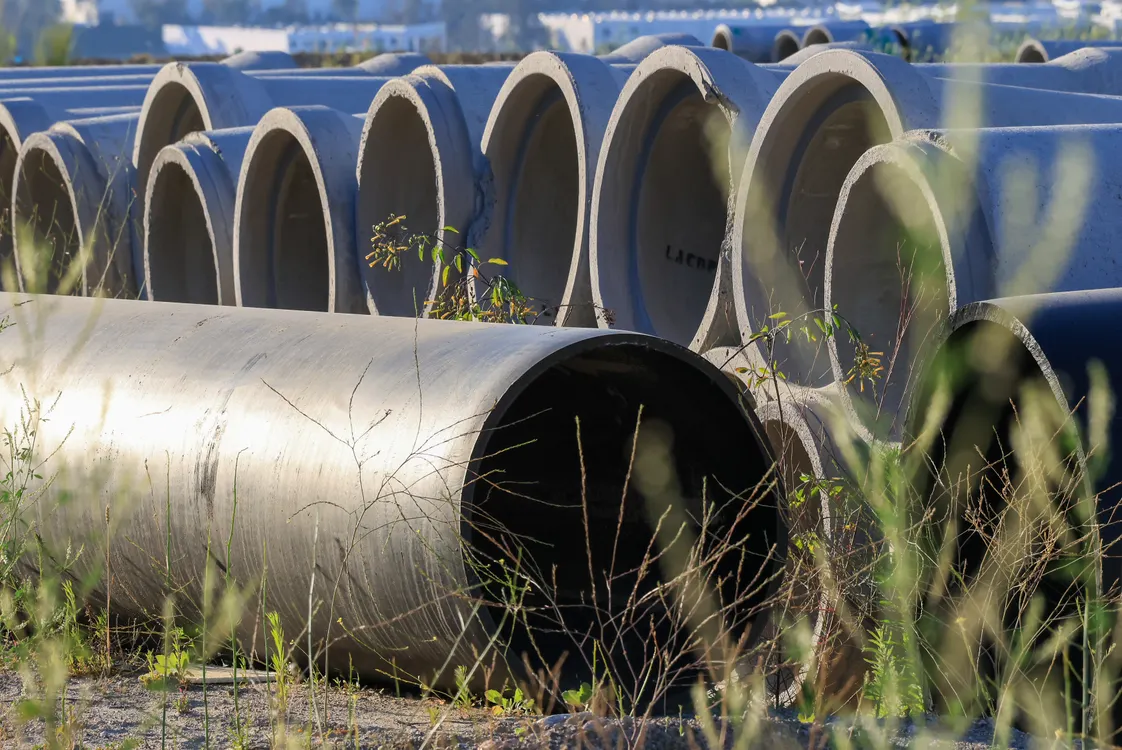
Find sewer line help in Kentucky, with clear steps for what to do right now. The city page below explains the signs, the camera inspection, and how calling works.
Working hours: 24/7
Service areas in Kentucky
Lexington – Sewer Line Repair
Lexington sits in Fayette County, in the Bluegrass region of central Kentucky. Help covers homes and businesses across the city, including downtown, central neighborhoods, and all four sides.
Lexington is the only live service area listed on this page so far. If your property is in another Kentucky town, call and ask whether a provider serves it.
What to do right now
If sewage is backing up, act fast and keep people away from the water. Small notes taken now help the provider judge the problem.
- Stop running water if sewage is backing up into the home.
- Do not dig to check the line.
- Do not pour chemical drain cleaner into a backed-up line.
- Note the first fixture affected, and which fixtures followed.
- Note whether the trouble changes when water is used elsewhere, or after rain.
- Note any soggy or sunken yard patch, or a strip of grass that stays green.
- Note where a sewage smell is strongest: inside, outside, or both.
- Call (607) 376-4949 and say your city and ZIP code.
- Keep people and pets away from water from a backup.
Signs to note
These signs do not prove a line failure on their own. A pattern across fixtures, or a sign that returns, matters more.
| Sign | What it can mean |
|---|---|
| Several drains backing up at once | A blockage or break in the main line serving the home |
| Toilets that will not flush clean | A partial blockage or a line that is losing capacity |
| Gurgling drains or toilets | Air trapped by a blockage or a venting problem |
| Sewage smells inside or outside | A cracked joint, a dry trap, or a break in the line |
| Soggy or sunken yard patches | A leak washing soil away from around the line |
| Greener strips of grass over the line | A leak feeding one strip of lawn |
| Slow drains throughout the home | A main line restriction rather than a single fixture clog |
| Trouble that returns after rain | Ground and line conditions, not a single blockage |
Tell the provider which signs you saw, and in what order. Order and timing help separate a fixture problem from a line problem.
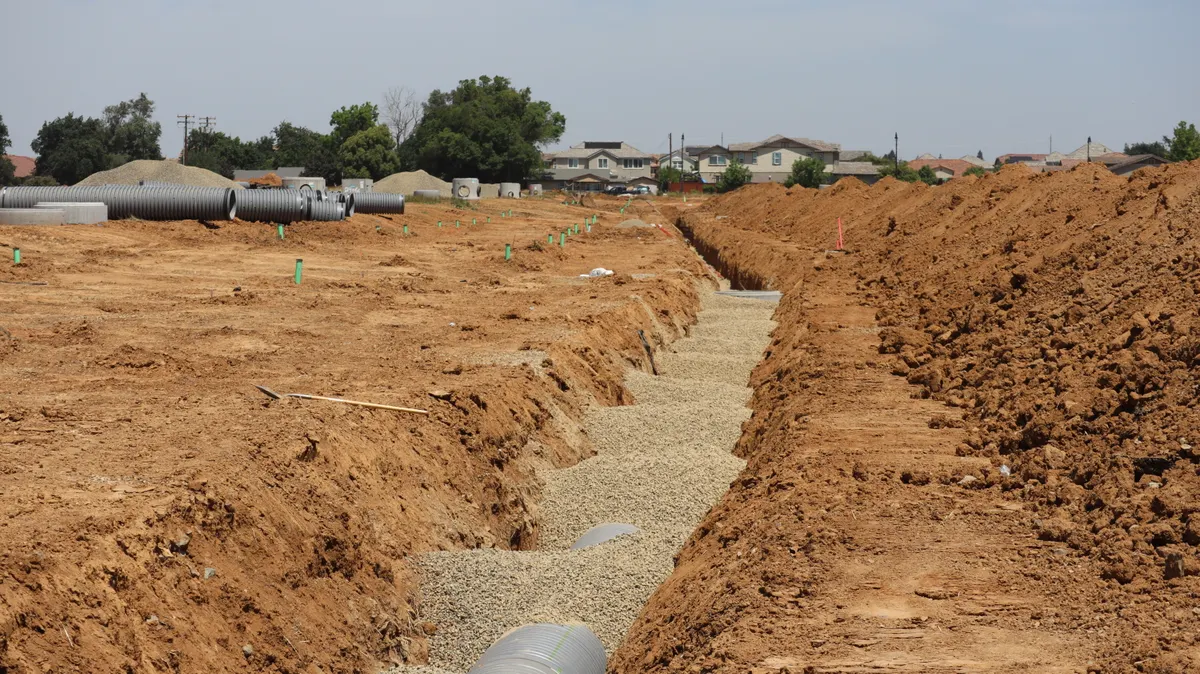
Sewer lines across Kentucky
Lexington is a city in Fayette County, in the Bluegrass region of central Kentucky. It is the second-largest city in the state. Homes range from older houses near downtown and central neighborhoods to newer subdivisions farther out.
Ground around Lexington is rolling Bluegrass country. Clay soils over limestone-influenced ground swell when wet and shrink when dry. That movement can stress joints and older sections of line over time.
Low spots can stay wet longer after rain. Mature oaks, maples, and other large yard and street trees are common. Their roots can enter a line through small leaks or loose joints.
Summers are hot and humid with thunderstorms. Spring brings sustained wet periods that keep soil saturated. Winters are cold, with freeze-and-thaw cycles that move shallow ground and stress older lines.
In the east, the Appalachian mountains bring steep, rocky terrain. Lines there may run through thinner soil over rock. Heavy rain can send extra water toward a home quickly.
In the west, toward the Mississippi River lowlands, the ground is flatter and lower. Alluvial soils there can stay saturated longer after rain or river rises.
Trees are a statewide factor too. Mature hardwoods send roots toward the steady moisture of a sewer line. A small leak or loose joint can become an entry point.
Help is available across Lexington, including downtown Lexington and central Lexington. It also covers the north, south, east, and west sides, and neighborhoods on the outskirts.
How calling works
One call connects you with an independent local provider. The steps below show what happens next.
- Call (607) 376-4949. Working hours: 24/7.
- Say your city, your ZIP code, and what you are seeing.
- Get connected with an independent local provider serving your area.
- The provider may ask about fixtures, timing, and past work.
- Confirm scope, price, licensing, and insurance directly with the provider before work begins.
What to have ready
Have these details ready before you call. They help the provider judge urgency and plan the visit.
- Your Kentucky city, address, and ZIP code.
- Which fixtures are affected, and in what order the problem appeared.
- Whether the problem changes when water is used elsewhere, or after rain.
- Whether the trouble is new, recurring, or getting worse, and what has already been tried.
- Any recent digging, tree work, or ground changes near the line route.
- Whether neighbors have similar trouble, which helps separate a single-home line problem from a wider issue.
- Whether you have had sewer work or a camera inspection before, and what it found.
- Where the cleanout or access point is, if you know.
How to describe the problem
Clear details get you better help, faster. Use short, plain notes rather than guesses about the cause.
- Name the first fixture affected, then the ones that followed.
- Say when it started, and whether it is new, recurring, or getting worse.
- Say what was running when it happened: laundry, a shower, or nothing at all.
- Say what you have already tried, and whether it helped.
After the call
After the call, a few simple steps keep things clear. They also protect the line until the provider arrives.
- Limit water use if sewage is backing up.
- Keep people and pets away from water from a backup.
- Do not dig to check the line.
- Write down what the provider said, including any visit window given.
Camera inspection: what to ask
A camera inspection sends a small camera through the line from an access point. It records the inside condition of the line.
It can show where a blockage sits, whether a section is cracked, broken, or sagging, where roots have entered, and whether joints have separated. It also shows the material and condition of the line along its length.
That detail is what a provider needs to judge the fix. A spot fix, a longer replacement, and a trenchless method each suit different findings.
- Ask what the inspection showed, and where each problem sits.
- Ask to see the footage, if it is available.
- Ask whether trenchless repair suits this line, and why or why not.
Repair methods in plain terms
Methods differ by what the inspection finds. No method fits every line.
- Spot repair: fixes one damaged section of line.
- Pipe lining: adds a new lining inside the existing line, where the line suits it.
- Pipe bursting: replaces the line by pulling a new pipe through the old route, where access allows.
- Open-trench repair: digs to reach and replace the damaged section.
- Full replacement: replaces a line that is too damaged for a smaller fix.
A lateral line runs from the home to the main line. A main line carries flow from several properties. The provider can say which line holds the problem.
What to confirm before work begins
Confirm these points directly with the provider before work begins. Get the answers in writing where you can.
- The scope of work: what will be done, and what will not.
- The price, and what would cost extra.
- Licensing and insurance for work in Kentucky.
- What the camera inspection showed, and where the problem sits.
- Whether trenchless repair suits this line, and why or why not.
- What warranty covers the work, and what it excludes.
After repair: records to keep
Keep the inspection footage or report, if you received one. It shows what was found and where.
Keep the written scope, the price, and any warranty terms. They settle questions if trouble returns.
Note the date of the work and the provider’s name. Future providers will ask for both.
For rented or managed properties
If you rent, tell the property manager or owner at once. Sewage backups can damage the property and affect neighbors.
Share your notes: fixtures affected, timing, and photos of visible signs. Ask who will call the provider, and confirm the call was made.
If your property is not in the listed areas
This page lists Lexington as the only live service area. Other Kentucky towns are not listed here yet.
Call (607) 376-4949 and ask whether a provider serves your town. Say your town and ZIP code so the call can be routed correctly.
Frequently asked questions
Can I get help anywhere in Kentucky, or only in certain cities?
Lexington is the only live service area listed here so far. Call (607) 376-4949 and ask whether a provider serves your town.
Why do sewer problems in Kentucky sometimes appear after heavy rain?
Heavy rain saturates ground around a line that may already be weak. Extra water can push a cracked or root-invaded line into trouble.
Do older homes in Kentucky have different sewer problems than newer subdivisions?
Often, yes. Older lines may be cracked, jointed loosely, or invaded by roots. Newer lines can still fail at joints or from ground movement.
Will a trenchless repair work for my Kentucky sewer line?
Not always. Trenchless repair suits only lines the inspection shows are suitable. Damage, material, and ground all affect the answer.
What should I do first if sewage is backing up?
Stop running water and limit water use. Keep people and pets away from the water. Then call (607) 376-4949.
What does a camera inspection show?
It shows blockages, roots, cracks, breaks, sags, and separated joints. It also shows where each problem sits along the line.
Do I need to know where my line runs before I call?
No. Note the fixtures affected and any wet or green patches in the yard. The provider will locate the line during inspection.
Can you help outside Lexington?
Possibly. Call (607) 376-4949 and ask whether a provider serves your town. Say your town and ZIP code when you call.
What should I have ready when I call?
Your city and ZIP code, the fixtures affected, and when the trouble started. Note whether rain or heavy water use came first.
What should I confirm before work begins?
Confirm scope, price, licensing, and insurance directly with the provider. Ask what the inspection showed and what warranty applies.
What should I keep after the repair?
Keep the inspection report, the written scope, the price, and warranty terms. Note the date of the work and the provider’s name.
Call for sewer line help in Kentucky
Call (607) 376-4949 for help in Lexington.
Working hours: 24/7
Sewer Line Repair is a referral service, not a plumbing provider. Callers are connected with independent local providers. Confirm licensing, insurance, and pricing directly with the provider before work begins.