
Browse sewer line repair in Wisconsin
Choose a city or county page below for local service-area information, what to do right now, and how calling works. Sewer Line Repair is a referral service, not a plumbing provider. Callers are connected with independent local providers. Call (607) 376-4949. Working hours: 24/7.
More pages in Wisconsin
Trenchless sewer repair in Wisconsin: what it means
Trenchless repair is a way of repairing or replacing a sewer line through small access points, rather than by opening the ground along the whole length of the line. A liner or a replacement pipe is installed from inside the existing line, using entry points at the ends of the run. The appeal is clear: less digging, less surface disruption, and often a faster return to normal use. The limits are just as important. Trenchless work needs access points that can be used safely, a line that can accept the method, and findings from a camera inspection that show the method fits the damage. A line that has collapsed, lost its shape, or has severe joint displacement may not be a trenchless candidate, and a line with poor access may need excavation regardless of the method preferred. When you hear trenchless discussed, ask what the camera inspection showed, why this method fits that finding, and what would happen if the inspection findings change during the work. Those answers matter more than the name of the method.
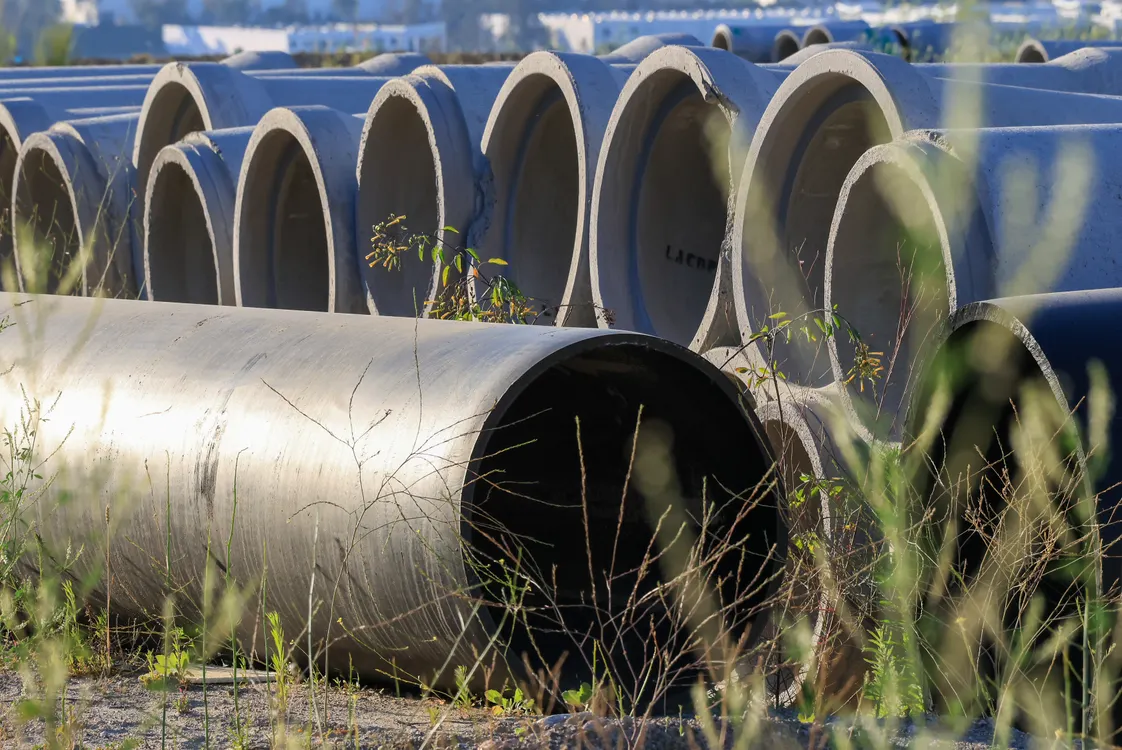
When trenchless work is not the answer in Wisconsin
There are situations where excavation is the more honest recommendation, even though it is more disruptive at the surface. A collapsed section cannot always be lined or replaced from inside, because there may be no stable path for the new pipe. A line with severe offsets, major root damage at joints, or a section that has lost its grade may need direct access to be corrected. Access can also rule out trenchless work: if entry points are blocked, too far apart, or in a location that cannot be used safely, excavation may be the only practical route. That does not mean trenchless work is a poor choice in general. It means the choice should follow the inspection, not precede it. Ask the provider to explain, in plain terms, why a method was ruled out as well as why the chosen method was selected. A provider who can explain both sides of that decision is giving you a recommendation based on the line, not on a preference for one method. If a provider recommends trenchless work without a camera inspection, ask for the inspection first, because the method should follow a located finding.
Symptoms that suggest inspection first in Wisconsin
Some symptoms point more strongly to inspection than to immediate clearing or repair. Repeated blockages in the same line, even after clearing, suggest a structural problem rather than a one-off obstruction. Water backing up at a low fixture when other fixtures are used suggests a shared line problem that clearing one fixture will not fix. A persistent odor, damp ground above a line, or a drain that is slow across several fixtures all suggest that a camera should be used before a repair method is chosen. A single slow fixture with no other symptoms is different, and clearing may be a reasonable first step, but even then, if the problem returns, inspection becomes the next step rather than repeated clearing. Note the history: how often the problem occurs, which fixtures are involved, and what has already been tried. That history helps a provider decide whether inspection is urgent, whether clearing is a reasonable first step, or whether a repair should be planned now. Inspection first is not a delay tactic. It is how a vague symptom becomes a located problem with a method that fits.
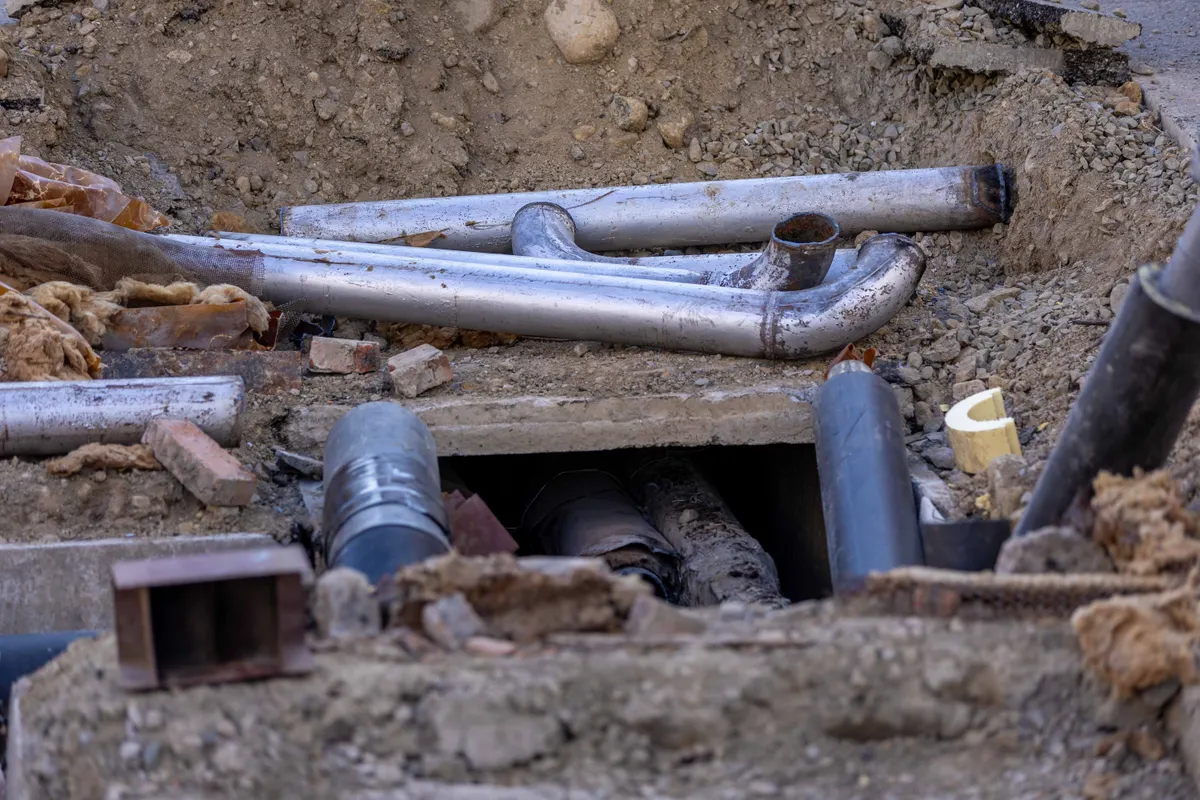
Service variants you may hear about in Wisconsin
Several service names appear on this site, and they describe different kinds of work, not different names for the same job. Plain sewer line repair covers a general repair to a line. Trenchless repair is a method, not a separate line, and it is discussed above. Emergency repair concerns urgent problems such as backups and severe odors, where timing matters more than method choice. Commercial repair concerns business and multi-unit properties, where access, operating hours, and coordination with tenants or management add planning questions. Main line repair concerns a larger shared line, while lateral repair concerns the line from a building to the main. When you call, the service name matters less than the symptoms, pattern, and property type you describe, because those details let triage route the call to the right kind of visit. If you are unsure which service fits your problem, describe the symptoms and let the provider decide. A caller who names a service without describing symptoms can be routed to the wrong visit, while a caller who describes symptoms clearly will be routed correctly even without naming a service.
Written scope, price, and restoration in Wisconsin
Before work begins, ask for a written scope that names the section of line, the method, what is included, and what is excluded. Ask whether the price is fixed for that defined scope or an estimate that can change, and ask what findings would change it. Ask about cleanup and surface restoration, and who is responsible for each, because a repaired line and a restored surface are not always the same job. Ask how long the work will take, whether water use must stop, and whether any inspection or approval is needed before the line returns to use. Sewer Line Repair does not set provider prices and does not guarantee provider work, so confirm licensing, insurance, and pricing directly with the provider before work begins. If a scope is only verbal, ask for it in writing before approving work. A written scope makes comparison possible, makes a second opinion possible, and makes it clear what was agreed if a later problem appears in the same line. Verbal agreements are harder to compare and harder to rely on.
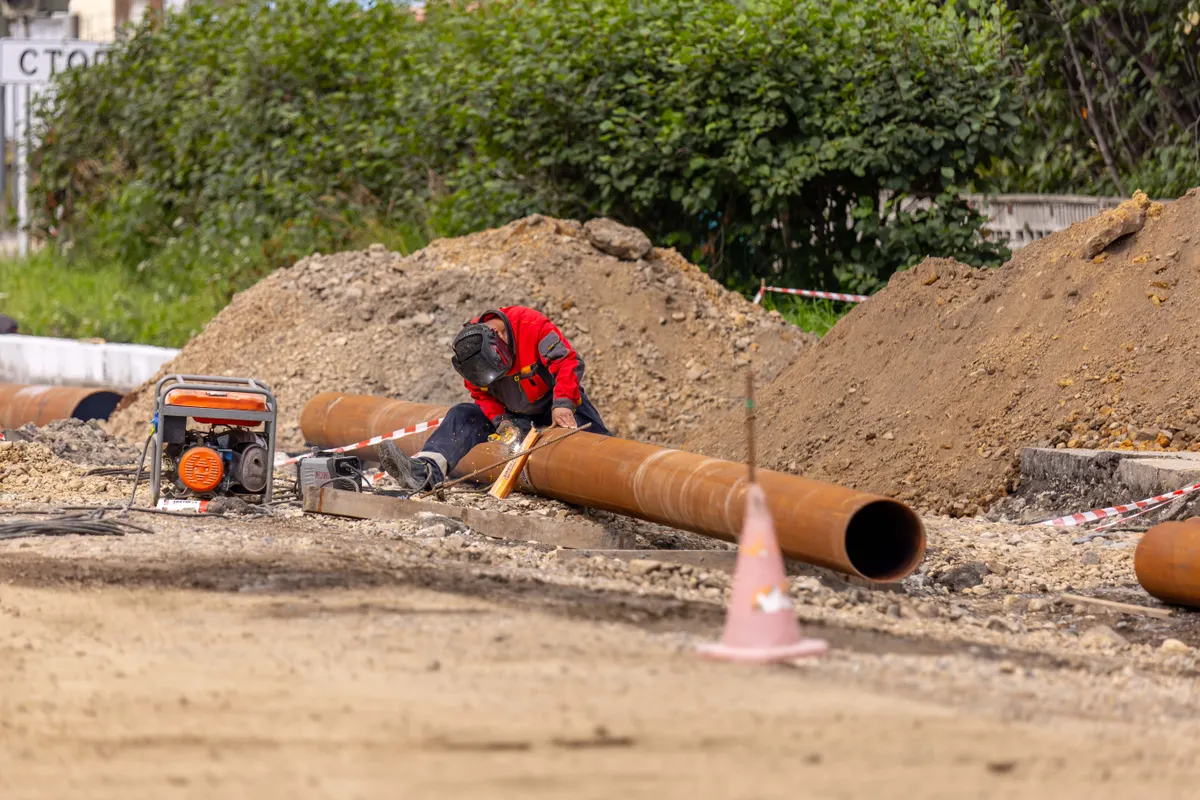
Second opinions and records in Wisconsin
A second opinion is reasonable when a recommendation is unclear, when a price changes sharply after an inspection, or when a method is recommended without a located finding. A second opinion works best when it is based on the same written findings, because the second provider can respond to a located problem rather than starting from symptoms alone. Keep the inspection summary, any photographs or recording, the written scope, and the price together, so you can share them without relying on memory. If the second opinion differs from the first, ask each provider why their recommendation fits the same findings, and compare the answers, not just the prices. A lower price for a different scope is not a better deal, and a higher price for a more complete scope may be the better value. Records also help after work: if a symptom returns, a provider who can see what was found and what was done can check whether the problem is related to the earlier repair or is new. Clear records are the link between inspection, repair, and any future work on the same line.
Call Sewer Line Repair in Wisconsin
Call (607) 376-4949. Working hours: 24/7. Sewer Line Repair is a referral service, not a plumbing provider. Callers are connected with independent local providers. Describe symptoms, pattern, and timing on the call, and mention any earlier inspection findings in plain terms.
Sewer line repair pages in Wisconsin
Start with the page for your area for local service-area information, what to do right now, and how calling works: Trenchless Sewer Line Repair Appleton WI.